
What does a full interior auto detail include?
A sparkling exterior can turn heads, but the cabin is where you spend all your time. A clean, fresh-smelling interior changes the entire driving experience and protects your vehicle’s value. In this blog I draw on industry guides, professional detailing services and years spent behind the wheel to explain what a full interior auto detail includes. We’ll look at why it goes far beyond a simple vacuum, what services typically cost and whether this investment is worth it for busy families, commuters and enthusiasts. I’ll also share tips on finding the right detailer and keeping that like‑new feeling long after the job is done.
Understanding the difference between basic and full interior details
When people talk about “getting their car detailed,” they often imagine a quick vacuum and wipe down. That’s a basic service designed to tidy up a relatively clean cabin. It typically includes vacuuming seats, carpets, mats and cargo areas; wiping down dashboards, door panels and consoles; cleaning interior glass; lightly scrubbing floor mats; and finishing with an odor neutralizer. These express packages are efficient and take about 45–90 minutes. They’re great for maintenance between deep cleans or before a special event.
A full interior detail, however, is a restorative service that reaches into every corner of the cabin. Professional detailers move seats to vacuum rails and hidden crevices. They shampoo and extract carpets and mats to pull out embedded dirt, salt and spills. Stubborn stains and pet hair are removed with steam cleaners and specialized tools. Leather seats are cleaned and conditioned to prevent cracking and fading. Vents and crevices are brushed and disinfected, and ozone or enzyme treatments neutralize persistent odors. This comprehensive process can take three to five hours or more depending on the vehicle’s size and condition.
What does a full interior auto detail include? Deep dive into the process
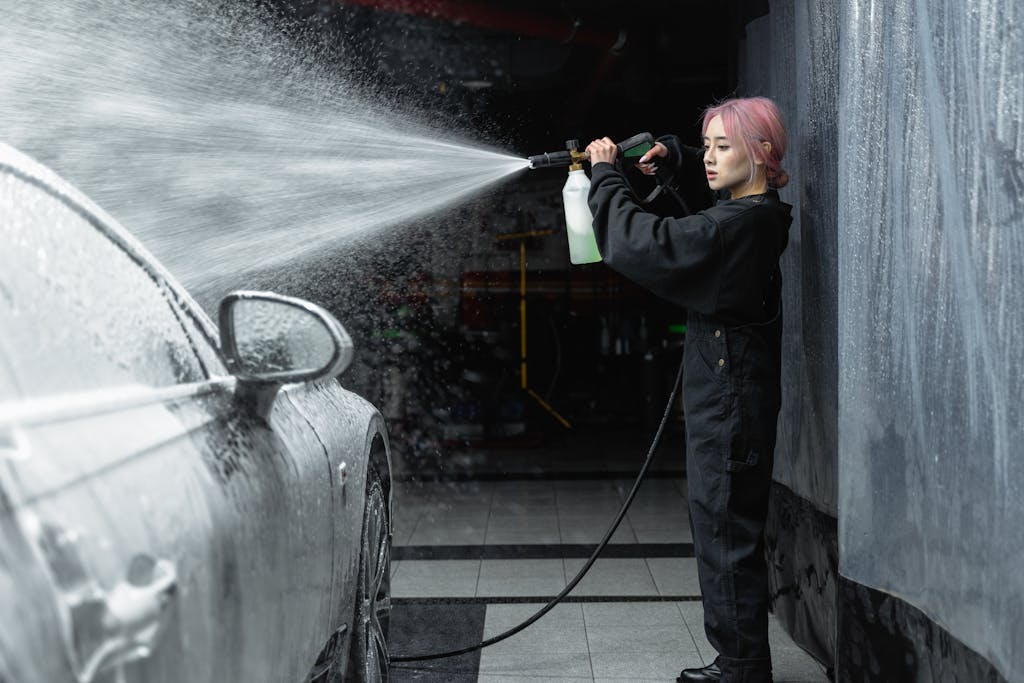
- Shampooing carpets and upholstery: Professional detailers apply automotive-grade cleaning solutions, agitate them into the fibers and then use extraction machines to pull out soil and moisture. This method lifts stains and prevents mildew by removing moisture completely.
- Steam cleaning and spot treatment: Steam loosens grime and kills bacteria; targeted spot removers tackle drink spills, mud and kid‑related messes. Used correctly, steam is safe and effective. Over‑wetting, which cheap services sometimes do, can cause mold and electrical issues.
- Leather cleaning and conditioning: Leather seats require pH‑balanced cleaners and conditioners to restore suppleness and prevent cracking. Conditioners replenish natural oils lost through sun exposure and regular use.
- Hard surface detailing: Dashboards, center consoles, door panels, cup holders and trim are cleaned with microfiber cloths and appropriate products. Brushes work dirt out of textured plastics and vents, and a protectant may be applied to resist UV damage.
- Glass and screen cleaning: Interior windows and infotainment screens are cleaned with ammonia‑free glass cleaners for streak‑free visibility.
- Odor elimination: Instead of masking smells, professional detailers neutralize them. Enzyme cleaners target organic odors like spilled milk or pet accidents, and ozone machines or chlorine dioxide shocks treat smoke or mildew.
The heart of a full interior detail is deep cleaning and protection. After an initial inspection, technicians begin with a powerful vacuum of all carpets, mats, seats and trunk space. Crevice tools reach between seats and into door pockets to remove crumbs and debris. Once surfaces are free of loose dirt, the real work begins:
This meticulous process leaves the cabin sanitized, refreshed and free of hidden contaminants.
What does a full interior auto detail include? Differences from basic services
A basic interior service refreshes a tidy cabin. It focuses on surface dirt, leaving deeper issues for another time. In contrast, a full interior detail addresses embedded grime and restoration. Here’s a simple comparison:
| Service features | Basic interior detail | Full interior detail |
|---|---|---|
| Vacuuming | Seats, floor mats and cargo area | Entire cabin including seat rails, trunk and hidden crevices |
| Surface cleaning | Wipe down dashboard, door panels and glass | Disinfect and detail hard surfaces, vents and crevices |
| Carpet treatment | Light mat scrubbing | Shampooing and extraction of carpets and mats |
| Upholstery | Not always included | Steam cleaning and stain removal |
| Leather care | Usually omitted | Cleaning and conditioning leather seats |
| Pet hair & sand | Surface removal | Specialized tools for embedded pet hair and sand |
| Odor control | Spray air freshener | Enzyme or ozone treatments to neutralize odors |
| Time required | 45–90 minutes | 3–5 hours or longer, depending on condition |
Basic services are useful for maintaining a car between deeper cleans. However, they can’t restore a neglected cabin or address serious contamination.
What does a full interior auto detail include? Step‑by‑step guide
For those who like to know exactly what happens during a full interior detail, here’s a sequential overview:
- Inspection and prep: The technician assesses the vehicle’s condition, noting stains, odors and problem areas. Personal items are removed, and protective covers may be placed over sensitive electronics.
- Vacuuming: Every carpeted and upholstered surface is thoroughly vacuumed. Seats are moved to reach rails, seat tracks and hidden nooks.
- Shampoo or steam treatment: Carpets and fabric seats are shampooed and extracted. Steam cleaning may be used for spot treatment or sanitation, lifting dirt without saturating materials.
- Leather and trim care: Leather surfaces are cleaned and conditioned. Vinyl, plastic and rubber trim are scrubbed, and a protectant is applied to prevent fading and cracking.
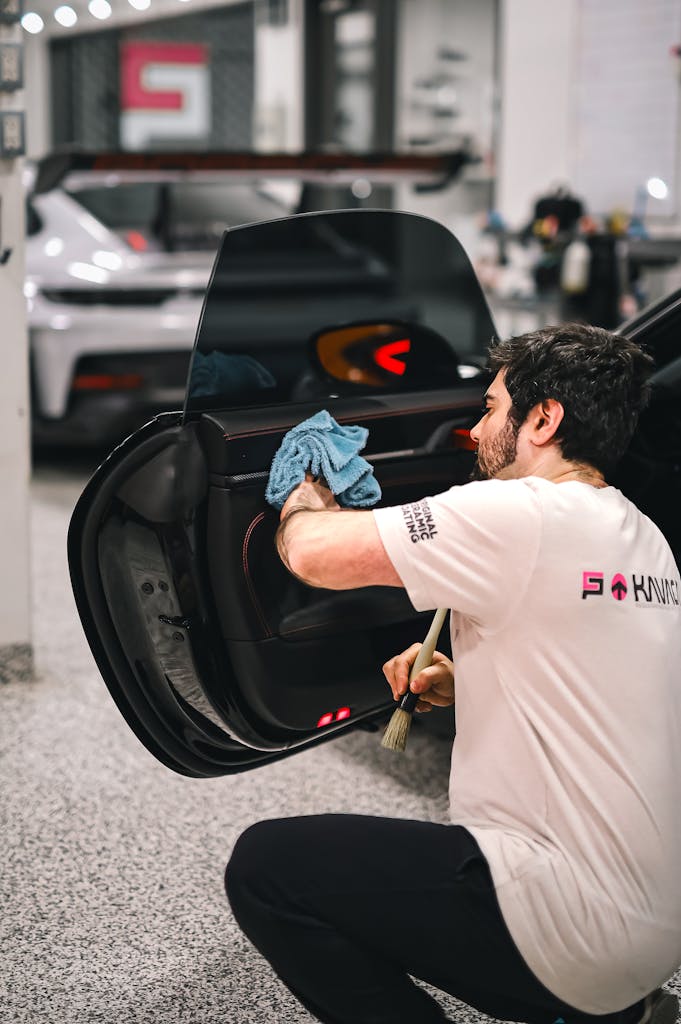
- Detailing hard surfaces: Dashboards, consoles, door panels, vents and buttons are cleaned with brushes and microfiber cloths. Cup holders and door pockets are addressed too.
- Window and screen cleaning: Interior glass and mirrors are cleaned streak‑free. Touchscreens are gently wiped with appropriate cleaners.
- Odor removal: Enzyme cleaners or ozone treatment neutralize odors at the source. Air vents are sanitized to remove dust and bacteria.
- Final touches and inspection: Any remaining spots are treated, floor mats are reinstalled, and the detailer performs a quality check. A fresh scent may be added, but the goal is a neutral, clean smell rather than an overpowering fragrance.
How much should a full interior detail cost?
Costs vary by location, vehicle size, and the level of contamination. In the Charlotte, North Carolina area, professional mobile services charge around $90–$130 for an interior‑only detail on a sedan and $120–$160 for SUVs and trucks. Add‑ons such as pet hair removal or mold treatment range from $25 to $75. For a full detail package covering both interior and exterior, expect to pay $150–$300.
Nationwide guides note that interior detailing generally runs between $100 and $200, while a full service including exterior care averages $225–$500 or more. The final price reflects the condition of the vehicle: heavy staining, pet hair or smoke odor can add $25–$100 to the bill.
From my own experience, paying a bit more for a reputable, insured professional is worth every penny. Quality work takes time, and cutting corners often leads to moisture problems, damaged materials or persistent odors.
What is included in interior detail?
An “interior detail” is sometimes used interchangeably with “full interior detail,” but packages differ by shop. At reputable detailing companies, an interior detail should include complete vacuuming of carpets, mats, seats and trunk; shampoo or steam cleaning for carpets and upholstery; leather cleaning and conditioning; meticulous cleaning of dashboards, consoles, vents and trim; streak‑free glass cleaning; and odor elimination. Some packages may exclude pet hair removal or heavy stain treatment, so it’s wise to ask for a checklist before booking. If you’re comparing services, look for clear descriptions and avoid packages that only promise a “quick vacuum and wipe” for a surprisingly low price.
Is an interior car detail worth it?
Absolutely. Investing in a full interior detail pays off in multiple ways:
- Healthier environment: Deep vacuuming and extraction remove allergens, bacteria and pet dander. Professional cleaning techniques sanitize the cabin, improving air quality for you and your passengers.
- Enhanced comfort: Clean, conditioned seats and fresh carpets make driving more enjoyable. Removing sticky spills and grime reduces stress, especially for families.
- Protecting materials: Leather conditioning and fabric protection prevent cracking and fading. Treating plastic and vinyl surfaces with UV protectants extends their life.
- Resale value: A vehicle with a spotless interior commands a higher price. Prospective buyers equate cleanliness with good maintenance and are willing to pay more.
- Time savings: Hiring a mobile detailer means the work is done at your home or office. You avoid driving to a shop, waiting around and arranging transportation.
While it’s tempting to skip professional detailing to save money, the long‑term benefits far outweigh the short‑term cost. A well‑maintained interior will last longer, smell better and feel more inviting. Plus, you won’t have to replace damaged upholstery or panels prematurely.
Choosing the right detailing service
With so many options—from quick wash centers to high‑end mobile units—it can be hard to pick a detailer. Here are a few tips I use when evaluating services:
- Transparency and reviews: Look for businesses that list their prices and service details upfront. Read reviews to see whether they deliver consistent quality over multiple appointments.
- Self‑contained mobile units: A professional mobile detailer arrives with their own water and power supply. If they ask to use your hose or electricity, it may signal minimal equipment and limited capability.
- Trained technicians: Consistency comes from trained staff who follow standardized processes. Ask about certifications or ongoing training.
- Insurance and guarantees: Reputable companies carry insurance and stand behind their work. A satisfaction guarantee or rework policy indicates confidence in their service.
- Flexible packages: A good detailer offers add-ons like pet hair removal, odor treatment or engine cleaning so you can customize your service without paying for unnecessary extras.
If you’d like to dive deeper into professional insights, this expert article from Halo Mobile Detailing breaks down why interior detailing matters and what a professional service includes. It emphasizes the importance of deep vacuuming, carpet extraction and proper leather care, reinforcing many of the points outlined here.
One of the standout services I’ve used is the Mobile Auto Detailing option offered by local specialists. Their packages range from express maintenance to comprehensive interior and exterior care. When booking, I found their online Vechicle Car Care Package descriptions clear, and they even cater to Company Fleet Detailing needs for business vehicles. This level of transparency made it easy to choose the right service and trust that my vehicle was in good hands.
Maintaining your car after a full interior detail
After investing in a full interior detail, you’ll want to keep that just‑detailed feel as long as possible. Here are some practical tips:
- Regularly remove trash and wipe surfaces: Keep a small trash bag in the cabin and clear it out weekly. Use a microfiber cloth to wipe down dashboards and consoles to prevent dust buildup.
- Use seat covers and floor mats: Protective covers guard against spills and wear. Rubber mats in winter prevent road salt from soaking into carpets.
- Vacuum every few weeks: A quick vacuum prevents dirt from embedding in carpets and upholstery. Pay attention to crevices and under seats.
- Address spills promptly: Blot and clean spills immediately to avoid stains and odors. Keep a small detailing kit with upholstery cleaner in your trunk.
- Schedule maintenance details: Full interior details aren’t one‑time events. Regular maintenance details every four to six months help preserve the results and reduce the cost and time needed for future deep cleans.
By following these steps and choosing reputable professionals, you can enjoy a healthier, more comfortable ride and protect your investment.
How much should a full interior auto detail cost? Additional considerations
Pricing can vary widely between regions. In some areas, you may find budget services offering interior details for under $80. While tempting, be cautious—quality detailing requires specialized tools, products and expertise. Low prices often mean corners are cut; for example, using household cleaners on delicate surfaces or over‑wetting carpets with steam. The result might be streaky trim, cracked leather or mold growth. Don’t hesitate to ask detailers about their equipment, products and drying procedures before booking.
Mobile convenience also adds value. Paying an extra $25–$50 for a mobile service saves you hours of driving and waiting, making it especially worthwhile for busy professionals or families. For businesses, fleet detailing keeps company vehicles presentable and hygienic, reflecting well on your brand.

Conclusion
A full interior auto detail is more than a quick tidy-up; it is a comprehensive restoration designed to make your vehicle feel like new. From deep vacuuming and carpet extraction to leather conditioning and odor elimination, professional detailers address every surface and crevice. The investment pays dividends in comfort, health, resale value and pride of ownership. As someone who relies on my vehicle daily, I’ve found that partnering with trustworthy professionals—whether for personal cars or Company Fleet Detailing—makes all the difference.
About the Author
Kevin Schatz is the president of Speedy K’s Mobile Detailing Systems, a Central Ohio company providing professional on-site detailing for automobiles, boats, RVs, motorcycles, commercial trucks, fleets and aircraft. His experience includes technician training, detailing-product development and the creation of more than a dozen training manuals and educational resources. Kevin shares practical advice drawn from 30+ years in the detailing industry to help vehicle owners properly clean, protect and preserve their investments.