

How much does it cost to have a boat re-gel coated?
Owning a boat means taking care of its glossy exterior. Over time, the gelcoat that gives boats their shine and protection can fade or chalk. If you’re considering how much it costs to have a boat re-gel coated, be prepared: it’s a significant investment. In this post, we’ll explore the typical costs, why they get so high, and how proper care and Boat/Watercraft Detailing can save you from needing an expensive re-gelcoat job.

How much does it cost to re-gel coat a boat?
Re-gelcoating a boat can easily cost thousands of dollars. The exact price depends on your boat’s size, condition, and the labor involved. For example, a mid-sized 20–25 foot boat often runs around $6,000 to $10,000 for a professional re-gelcoat job. Larger yachts or badly damaged finishes can exceed $15,000.
Most of this cost is labor—technicians may spend dozens of hours sanding off oxidation, repairing fiberglass, and spraying new gelcoat before wet-sanding and buffing it to a shine. In short, the cost to have a boat re-gel coated is high because you’re paying for an intensive refinishing job.
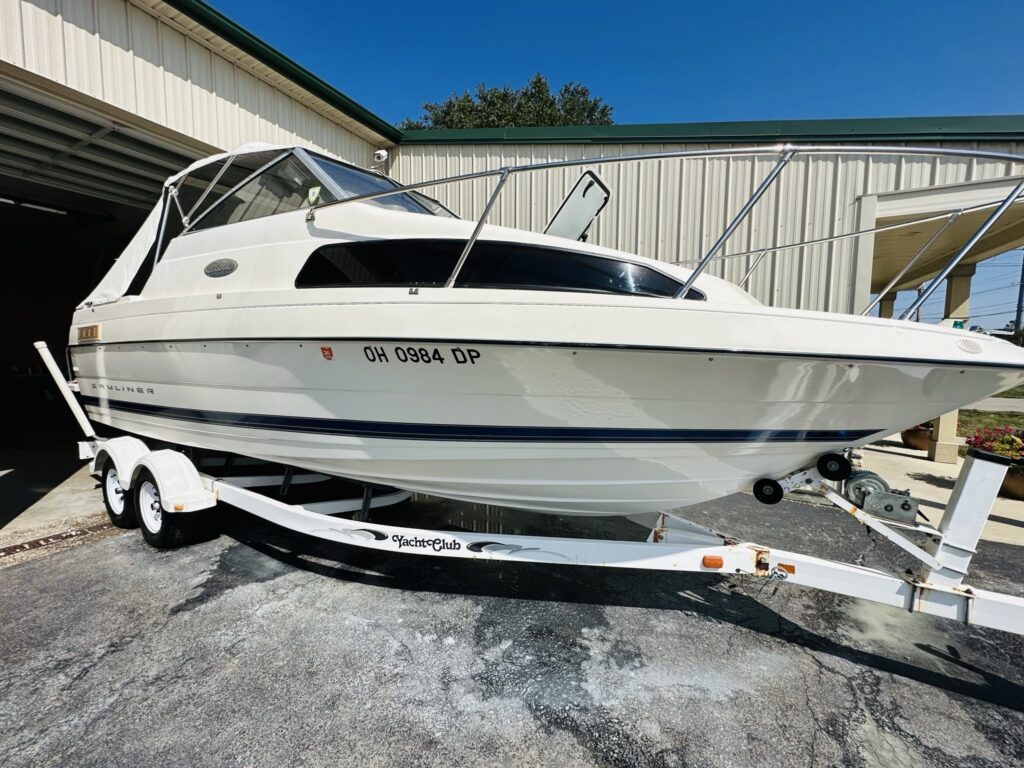
Can you gel coat over existing gelcoat?
Yes, but there’s a catch.
You can gelcoat over existing gelcoat only if the surface is properly prepped. This involves sanding down the oxidized or damaged layer, ensuring a clean bond. Any cracks, chips, or chalky residue must be corrected before reapplication.
Skipping this prep step leads to peeling, poor adhesion, or a finish that doesn’t last. That’s why most people turn to professionals or opt for high-quality Boat Detailing Services instead of doing it themselves.
Is it hard to re-gelcoat a boat?
Re-gelcoating a boat is time-consuming, technical, and messy. Unlike painting, it requires a spray gun setup, precise mixing, and multiple sanding stages. It can take 40+ hours to fully restore even a moderately oxidized boat.
While small DIY touch-ups are manageable, a full re-gelcoat job is best left to experts. They have the tools, space, and expertise to deliver a uniform finish without damaging your hull.
Is it better to paint or gel coat a boat?
This depends on your goals.
Painting is often more cost-effective and easier to apply, especially for older boats or budget-conscious owners. Modern marine paints can offer excellent gloss and durability.
Gelcoat, on the other hand, is thicker and more resilient, especially against minor dings and UV damage. However, it’s more expensive and labor-intensive to apply. If your boat’s structure is sound but the surface is faded, painting may be the smarter route.
You can also consider How to Restore Faded Gelcoat on a Boat for detailed steps and product recommendations before deciding between gelcoat and paint.
How much does 1 gallon of gelcoat cover?
On average, 1 gallon of gelcoat covers about 40–80 square feet per coat. However, multiple coats are typically required to build up an even, protective surface. Boats with more damage or curves may need more product.
Keep in mind that overspray, sanding, and waste reduce actual yield. Most boats require 3–6 gallons depending on size and condition.
Why Professional Maintenance Saves You More in the Long Run
Routine maintenance is the most cost-effective strategy. Annual polishing and marine-grade coatings may cost a few hundred dollars, but they help avoid multi-thousand-dollar restorations later.
Services like Boat Detailing in Columbus can ensure your hull stays glossy and protected year-round. Neglect, especially in coastal or high-UV regions, accelerates oxidation, leading to deep damage and re-gelcoat requirements.
According to BoatUS Expert Advice, many costly spring repairs can be avoided with proactive care—including proper hull and gelcoat maintenance. Letting things slide even one season can have long-term consequences.
When to Consider an Alternative Like Durabak
Gelcoat is durable—but not indestructible. For boaters looking for rugged, non-slip finishes or an easier application process, Durabak is an excellent alternative. It’s a polyurethane-based coating trusted by the U.S. Navy and many commercial operators.
It resists UV rays, scratches, and harsh marine conditions—and can even be applied with a roller. It’s not as glossy as gelcoat but offers excellent protection and longevity, especially on decks, hulls, and high-traffic areas.

Best Practices for Boat Owners in Saltwater Environments
Boating in saltwater areas like the Gulf Coast or Pacific Northwest introduces added risk to your gelcoat. Salt, UV exposure, and moisture accelerate oxidation significantly.
Here’s how to stay ahead:
- Rinse your boat after each saltwater outing
- Apply ceramic coatings for longer-lasting protection
- Schedule seasonal detailing, especially before and after peak use
- Store indoors or under a breathable boat cover when possible
Proactive Boat/Watercraft Detailing isn’t just about looks—it’s about avoiding costly re-gelcoat jobs entirely.
About the Author
Kevin Schatz is the president of Speedy K’s Mobile Detailing Systems, a Central Ohio company providing professional on-site detailing for automobiles, boats, RVs, motorcycles, commercial trucks, fleets and aircraft. His experience includes technician training, detailing-product development and the creation of more than a dozen training manuals and educational resources. Kevin shares practical advice drawn from 30+ years in the detailing industry to help vehicle owners properly clean, protect and preserve their investments.