
How Often Should You Have Your RV Professionally Detailed?
You should have your RV professionally detailed at least twice a year, ideally before and after camping season. RVs exposed to frequent travel, harsh weather, road salt, or outdoor storage may benefit from detailing every three to four months. Regular maintenance helps protect the exterior finish, prevent oxidation, and maintain your RV’s appearance and resale value.
An RV is a significant investment, and keeping it clean involves more than occasionally washing away dirt. Motorhomes, fifth wheels, and travel trailers have large exterior surfaces, specialized materials, and components that require different cleaning techniques. Without proper maintenance, even a relatively new RV can begin showing signs of wear.
According to the RV Industry Association, manufacturers shipped 342,220 recreational vehicles in 2025, a 2.5% increase over 2024. With thousands of new RVs hitting the road each year, understanding proper maintenance is especially important for owners hoping to enjoy their vehicles for years.
At Speedy K’s Mobile Detailing, owner Kevin has spent more than 35 years studying vehicle finishes, protective treatments, and specialized detailing techniques. His experience demonstrates why consistent maintenance is much more effective than waiting until an RV starts showing visible damage.
How Often Should You Have Your RV Professionally Detailed Based on Usage?
The right detailing schedule depends on how frequently you travel, where you store your RV, and the environmental conditions it encounters. An RV used for occasional summer camping has different maintenance needs than a motorhome driven across several states every month. Sun exposure, tree sap, road grime, and moisture all influence how quickly exterior surfaces deteriorate.
Here’s a practical starting point for scheduling professional RV detailing:
| RV Usage | Recommended Professional Detailing |
|---|---|
| Occasional weekend trips | Every 6 months |
| Frequent seasonal travel | Every 3–4 months |
| Full-time RV living | Every 2–3 months |
| Outdoor storage year-round | Every 3–4 months |
| Primarily indoor storage | Every 6–12 months |
These recommendations are general guidelines rather than manufacturer requirements. Routine washing, roof inspections, and additional maintenance may be necessary between appointments, particularly for RVs exposed to severe weather.
For Ohio owners, scheduling a detail in spring and another before winter storage provides a sensible foundation. Additional services may be appropriate after lengthy road trips or exposure to winter road salt. For more regional guidance, read How Often Should I Get My RV Detailed in Columbus, OH?.

Why Does Regular RV Detailing Matter?
RVs encounter environmental conditions that gradually affect their appearance and exterior materials. Ultraviolet radiation, pollution, moisture, road debris, and contaminants can all contribute to surface deterioration. Professional detailing helps remove these contaminants before they accumulate and become more difficult to address.
Protecting Fiberglass and Gel Coat Finishes
One of the biggest challenges involves fiberglass and gel coat surfaces. As protective finishes deteriorate, RV owners may notice chalkiness, fading, or a dull appearance. Once oxidation becomes severe, restoring the original appearance can require extensive correction work.
Kevin has encountered these problems while working on fifth wheels and travel trailers with relatively thin gel coat layers or single-stage painted aluminum surfaces. He explains that some customers expect a damaged finish to look brand-new after detailing, but severely deteriorated materials cannot always be restored through polishing alone.
That’s why preventive maintenance is so important. Protecting a finish while it’s in good condition is generally more practical than attempting extensive restoration later.
Preventing Problems During Storage
Even parked RVs need attention because outdoor storage exposes surfaces to rain, pollen, bird droppings, tree sap, and seasonal temperature changes. These contaminants can remain on exterior panels for months if the vehicle isn’t regularly cleaned.
Cleaning also creates an opportunity to notice cracked seals, damaged trim, or other conditions that may require repair. Professional detailing doesn’t replace mechanical maintenance or roof inspections, but it complements a broader preventive maintenance routine.
What Does a Full Detail Include?
A full RV detail typically addresses exterior surfaces, interior living areas, and selected components requiring specialized cleaning. However, the exact services depend on the provider, package, and condition of the vehicle. Understanding what’s included helps owners avoid paying for unnecessary services while ensuring important areas receive attention.
Exterior RV Detailing
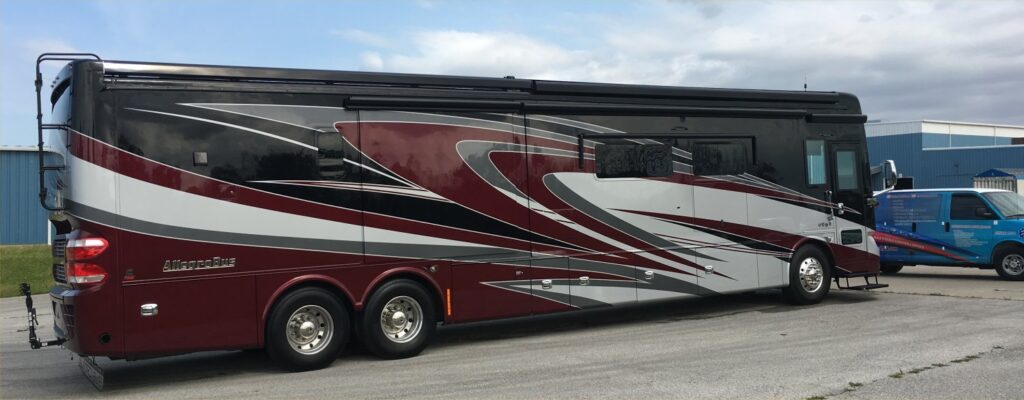
An exterior package may include hand washing, wheel cleaning, window cleaning, oxidation treatment, polishing, and application of protective sealants. Depending on the RV, additional services can include roof cleaning, awning treatment, slide-out cleaning, and restoration of faded gel coat surfaces.
Speedy K’s offers customizable RV Detailing packages, allowing owners to select services appropriate for their motorhome, fifth wheel, or travel trailer.
Interior RV Detailing
Interior detailing may include carpet cleaning, upholstery treatment, leather conditioning, surface sanitation, and odor removal. Kitchen areas, bathrooms, sleeping quarters, and frequently touched surfaces can require additional attention after extended travel.
Before booking, ask which services are included in the quoted price. A basic exterior wash and a complete interior-and-exterior detail are substantially different jobs.
How Does Speedy K’s Experience Make a Difference?
Speedy K’s owner Kevin began developing his detailing skills around age 15 while growing up near Lake Erie. Boats were a natural starting point because living near the water meant seeing firsthand how difficult it could be for owners to maintain their vessels’ finishes.
Rather than relying on whatever cleaning products were available in stores, Kevin studied how gel coats were manufactured and which treatments worked with different materials. He consulted manufacturers, attended training, and practiced restoration techniques on salvage boats. His background eventually expanded into automotive work, including technical training with Chevrolet and experience as an ASE-certified technician.
That knowledge became especially valuable when working on specialized vehicles, including RVs. Kevin recalls that one of his biggest challenges is helping customers understand the limitations of restoring damaged fiberglass and painted surfaces. When protective layers have already deteriorated, even experienced professionals cannot always reverse the damage.
His approach centers on prevention: follow manufacturer recommendations, use suitable products, and maintain surfaces consistently. It’s a philosophy that prioritizes long-term results instead of quick cosmetic improvements.
Is Ceramic Coating on an RV Worth It?
Ceramic coating can be worthwhile for some RV owners, particularly those seeking additional surface protection and easier cleaning. However, its value depends on the coating, RV materials, application quality, and ongoing maintenance requirements.
A properly selected coating can help reduce how strongly certain contaminants adhere to compatible surfaces. It doesn’t eliminate washing or protect against every type of damage.
Kevin is especially cautious about exaggerated claims surrounding protective coatings. Throughout his career, he has studied sealants, waxes, and protective treatments, including working with specialized product formulations. His concern isn’t that protective products lack value, but that some are marketed with unrealistic promises.
No coating makes an RV maintenance-free. Before purchasing ceramic coating, ask about surface compatibility, preparation requirements, realistic durability, and recommended upkeep. A quality polymer sealant may be a more practical choice depending on your RV’s finish and usage.
How Long Does It Take to Detail an RV?
Professional RV detailing can take several hours or longer, depending on the vehicle’s size, condition, and requested services. A basic exterior cleaning typically requires less time than a complete detail involving oxidation correction, roof cleaning, interior treatment, and protective coatings.
For planning purposes, a straightforward exterior service might take two to five hours, while extensive detailing can require a full day or multiple appointments. These are general estimates rather than guaranteed service times.
Kevin emphasizes that professional experience, equipment, and established cleaning methods can improve efficiency. His team has developed specialized techniques through years of training and product testing, allowing them to work efficiently without sacrificing the quality of their results.
A shorter appointment doesn’t necessarily indicate lower-quality work. The important factors are what the service includes and whether appropriate techniques are used.
What Is the 10 Year Rule for RV?
The RV 10-year rule is a policy used by some private RV parks and resorts that restricts vehicles older than ten years. It isn’t a universal law or a requirement followed by every campground, and certain properties may request photographs or consider exceptions for older RVs that remain in excellent condition.
This makes appearance and maintenance particularly relevant for owners of aging motorhomes and travel trailers. A professionally maintained RV with clean exterior panels, properly cared-for graphics, and minimal visible deterioration may make a better impression when requesting an exception.
However, professional detailing does not guarantee admission to a campground enforcing an age restriction. Always verify the property’s specific policies before booking.
What’s the Average Lifespan of an RV?
Many well-maintained RVs can remain usable for approximately 15–25 years or longer, although there is no single verified average lifespan that applies to every model. Construction quality, mileage, storage, maintenance, and water damage significantly influence longevity.
A lightly used travel trailer stored indoors may age differently from a motorhome driven extensively and parked outdoors throughout the year. Exterior care is only one part of ownership, but it can contribute to preserving a vehicle’s appearance and protecting its surfaces.
Manufacturer maintenance schedules frequently include roof cleaning, seal inspections, and periodic washing. Maintenance documents available through the National Highway Traffic Safety Administration include RV manufacturer guidance covering these tasks.
Regular detailing can help preserve exterior condition, but mechanical maintenance, leak prevention, and timely repairs are equally important.
Do You Tip RV Detailers?
Tipping RV detailers is generally appreciated but not required. Professional detailing services usually establish prices based on the work being performed, making gratuities optional rather than an expected charge.
Some customers choose to tip when technicians handle unusually difficult cleaning conditions, accommodate special requests, or deliver exceptional results. Others prefer to express appreciation through positive reviews and referrals.
Kevin identifies word-of-mouth recommendations as an important part of Speedy K’s business, reflecting how much customer satisfaction matters in specialized detailing. Providing feedback or recommending a trustworthy detailer can be just as meaningful as leaving a tip.

How Can You Maintain Your RV Between Professional Details?
Professional detailing works best when paired with regular owner maintenance. Kevin frequently advises customers to avoid harsh cleaning chemicals and abrasive automatic washing equipment that may damage sensitive vehicle finishes. His recommendations emphasize manufacturer-approved products, appropriate washing techniques, and consistent upkeep.
A few practical habits can help:
- Rinse away road grime, insects, and other contaminants after extended trips.
- Remove bird droppings and tree sap promptly using compatible products.
- Inspect roof seams, windows, and exterior seals regularly.
- Clean awnings and other exterior accessories according to manufacturer guidance.
- Address fading, chalkiness, or unusual staining before deterioration becomes extensive.
- Store your RV under appropriate protection whenever practical.
Not every product works with every RV surface, so always check your manufacturer’s instructions. This is especially important when maintaining rubber roofing, painted graphics, fiberglass, or protective coatings.
Owners who prefer professional assistance can consider Mobile RV Detailing to maintain their vehicles without transporting them to a detailing facility.
When Should You Schedule Your Next RV Detail?
The best time to schedule professional detailing is before contaminants and surface deterioration become serious problems. For most recreational owners, spring and fall appointments provide a manageable starting point, while frequent travelers or owners storing their vehicles outdoors should consider additional maintenance throughout the year.
Kevin’s decades of experience highlight an important distinction: restoring a neglected RV can be much more complicated than preserving a well-maintained one. By selecting appropriate products and following a consistent maintenance schedule, owners can help protect their investment and avoid unnecessary deterioration.
Speedy K’s provides Detailing Services for RVs throughout Columbus and surrounding Central Ohio communities, including customized exterior restoration, interior cleaning, and protective maintenance packages.
Whether you’re preparing for another camping season or protecting your RV before storage, regular detailing helps maintain its condition and appearance. The goal isn’t simply to make your RV look clean today. It’s to keep it in better shape for the trips ahead.
About the Author
Kevin Schatz is the president of Speedy K’s Mobile Detailing Systems, a Central Ohio company providing professional on-site detailing for automobiles, boats, RVs, motorcycles, commercial trucks, fleets and aircraft. His experience includes technician training, detailing-product development and the creation of more than a dozen training manuals and educational resources. Kevin shares practical advice drawn from 30+ years in the detailing industry to help vehicle owners properly clean, protect and preserve their investments.