

How to Get Rid of Water Damage on a Boat
Did you know the first rule of boating is simple: keep the water out? Water has a sneaky way of seeping into places it shouldn’t, causing everything from cosmetic stains to serious structural issues. If you’re wondering how to get rid of water damage on a boat, this guide will help. We’ll cover how to remove water marks, dry out a waterlogged hull, and even what to do about insurance. Let’s dive in and keep your boat dry and damage-free.
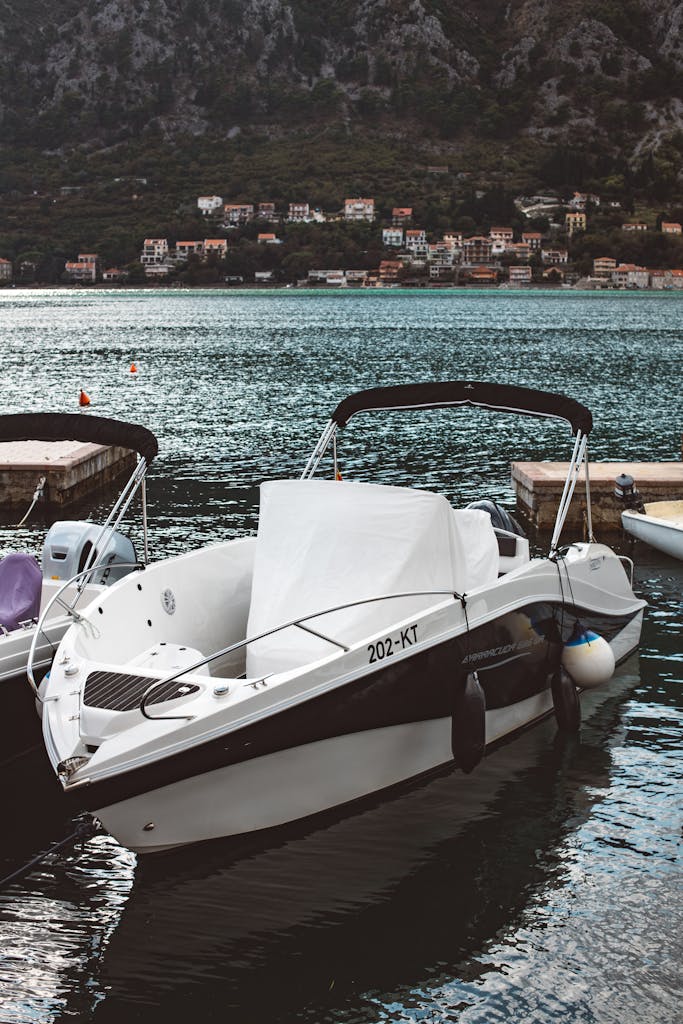
How to get water marks off a boat?
Water marks (water spots) are those whitish stains left on your boat’s surface after water evaporates. They’re mineral deposits from hard water, and they may look minor, but can actually etch into paint or gelcoat if ignored. Here’s how to remove them:
- Rinse and Wash: Thoroughly rinse your boat with clean (ideally soft) water and a gentle boat soap. This removes dirt, salt, and starts dissolving mineral deposits.
- Vinegar Solution: Spray a 1:3 mix of white vinegar and water onto the water-marked areas. The mild acid in vinegar breaks down the mineral scale for easier removal. Let it sit for a minute, but don’t let it dry.
- Light Scrub: Gently scrub the area with a soft sponge or cloth. Most water spots should lift off. If some spots won’t budge, you might need a second treatment or a specialized water-spot remover.
- Rinse Again: Rinse with fresh water to wash away any vinegar and dissolved minerals. Otherwise, residue could dry and cause new spots.
- Dry and Re-Wax: Immediately dry the surface with a chamois or microfiber towel to prevent new marks. Because cleaning can strip wax, apply a fresh coat of marine wax afterward to restore protection.
This routine will eliminate most water marks. If a few especially stubborn spots persist (for example, mineral stains that sat too long), you can try a stronger hull cleaner or a mild acid product. And for really tough stains, a professional Boat/Watercraft Detailing service can safely buff them out. Once your boat is spotless again, keep its finish protected with wax or polish to prevent new ones from forming. (For more on fixing faded or oxidized finishes, see How to Restore Faded Gelcoat on a Boat.)

How do you make water damage go away on a boat?
What about water inside the boat? Making water damage “go away” means stopping the source, drying everything out, and fixing the damage. Key steps include:
- Stop the Leak: Find where the water got in and fix it. It could be a leaky hatch seal, cracked hose, etc. As one boater said about a flooded cabin, “fix that first.” You can’t get rid of water damage until you stop more water from coming in.
- Remove Standing Water: Pump out or vacuum any pooled water. Mop up puddles with towels or sponges. Don’t forget small compartments where water can hide.
- Dry Thoroughly: Open all hatches and let everything air out. Use fans or a dehumidifier in the cabin if possible. It may take days of ventilation to fully dry the interior – be patient and thorough.
- Clean and Disinfect: Wipe surfaces with a mild bleach solution or marine cleaner to prevent mold and mildew. For fabrics and cushions, use appropriate cleaners and ensure everything dries completely.
- Repair Damage: Once dry, assess what was harmed. If wood flooring swelled or warped, it may need replacement. If wiring or electronics got soaked, have them checked. Address any remaining issues (for example, re-varnish stained wood or replace ruined upholstery) so your boat is fully restored.
In a nutshell, get everything bone-dry and fix whatever got ruined. If the water damage is extensive or you’re not sure how to get rid of water damage on a boat by yourself, call in professional help. Boat Detailing Services have heavy-duty dryers and cleaners for serious interior damage – for instance, a specialist in Boat Detailing in Columbus can ensure every hidden crevice is dry and sanitized. Quick action is crucial; the faster you dry things out and make repairs, the less long-term damage you’ll have.
How to dry out a waterlogged fiberglass boat?
Drying a soaked fiberglass hull or waterlogged foam inside a boat is very challenging. You can drain the water and use fans or heat to encourage drying, but waterlogged foam rarely dries out completely on its own. In most cases, the only reliable solution is to cut out the saturated foam or balsa core and replace it with new, dry material. This is a major repair, but often necessary to restore the boat’s integrity. Also, be sure to seal whatever leak allowed water into the hull (even a tiny screw hole can slowly soak a boat’s core). Unfortunately, full drying can take weeks, and professional assistance may be needed for severe cases.
Does boat insurance cover water damage?
If the water damage comes from a sudden accident or unexpected event, your boat insurance usually covers it. For example, damage from a severe storm or a collision that floods your boat is typically covered under comprehensive or collision policies.
However, if the damage is due to gradual wear, lack of maintenance, or negligence, it likely won’t be covered. Boat insurance won’t pay for issues like long-term deck leaks, rot, or mold that result from poor upkeep. In other words, preventable water damage is on you. If you ignored a leaking hatch for months and the cabin wood rotted, or you left the boat uncovered and rainwater flooded it, the insurer would consider that negligence (not a “sudden” loss).
Some policies offer a “consequential damage” add-on that covers damage resulting from a wear-and-tear failure. Say an old cracked hose (a maintenance issue) fails and your boat takes on water – standard insurance might not cover the hose, but with consequential damage coverage, the resulting flood damage would be covered. Not all policies include this, so check your policy or ask your agent if you’re unsure.
It’s smart to review your boat policy so you know what water-related scenarios are covered. For a more detailed guide on how boat insurance handles damage from sudden versus maintenance-related issues, see 5 Spring Claims To Avoid – BoatUS. If you do suffer a major water incident, document everything and contact your insurer right away. They can guide you through the claims process – and they may even cover professional drying and cleaning to help get your boat back to normal.

Final Thoughts on How to Get Rid of Water Damage on a Boat
- Inspect & Maintain: Regularly check for any leaks or dampness and fix them promptly. Keep seals, hoses, and fittings in good shape (and make sure your bilge pump is working). Do a quick check each time you use your boat to catch issues early.
- Dry After Use: Wipe down and dry your boat after each outing. Don’t let water sit and stagnate. Prompt drying (plus routine Boat/Watercraft Detailing) will prevent mineral spots, mildew, and corrosion.
- Cover Up: Use a proper cover or shelter when storing your boat. Keeping rain and snow out of the boat will go a long way toward avoiding water damage.
- Get Professional Help: If you do encounter significant water damage, don’t hesitate to call in the pros. Professional Boat Detailing Services – for example, experts in Boat Detailing in Columbus – have the tools and know-how to thoroughly dry and restore your boat. It’s better to invest in expert help than to risk hidden moisture causing ongoing problems.
In the end, learning how to get rid of water damage on a boat comes down to vigilance and quick action. By staying on top of maintenance and tackling moisture issues immediately, you’ll protect your boat’s value and longevity – and spend more time enjoying the water, not dealing with damage.
About the Author
Kevin Schatz is the president of Speedy K’s Mobile Detailing Systems, a Central Ohio company providing professional on-site detailing for automobiles, boats, RVs, motorcycles, commercial trucks, fleets and aircraft. His experience includes technician training, detailing-product development and the creation of more than a dozen training manuals and educational resources. Kevin shares practical advice drawn from 30+ years in the detailing industry to help vehicle owners properly clean, protect and preserve their investments.