

Is It Worth It to Store a Boat in a Shelter
Storing your boat properly during the off-season can significantly extend its lifespan and maintain its value. Boat owners often wonder if it’s worth it to store a boat in a shelter or if leaving it outside is sufficient. In truth, the answer depends on factors like climate, budget, and how often you use your boat. However, covered boat storage offers key advantages in protection and maintenance that make it a worthwhile investment for many. Let’s explore the benefits of boat shelters, compare covered versus open storage, and answer common questions to help you make an informed decision.

Is It Worth It to Store a Boat in a Shelter? Key Benefits and Considerations
For most boat owners, storing a boat in a shelter is worth it due to the enhanced protection it provides. A covered storage shelter (whether a marina shed, carport, or indoor facility) shields your vessel from rain, snow, hail, and harsh UV rays. This protection prevents issues like faded gelcoat, cracked upholstery, and water damage that often plague boats stored outdoors.
Security is another benefit – shelters are often in gated facilities or garages, adding a layer of theft prevention and peace of mind.
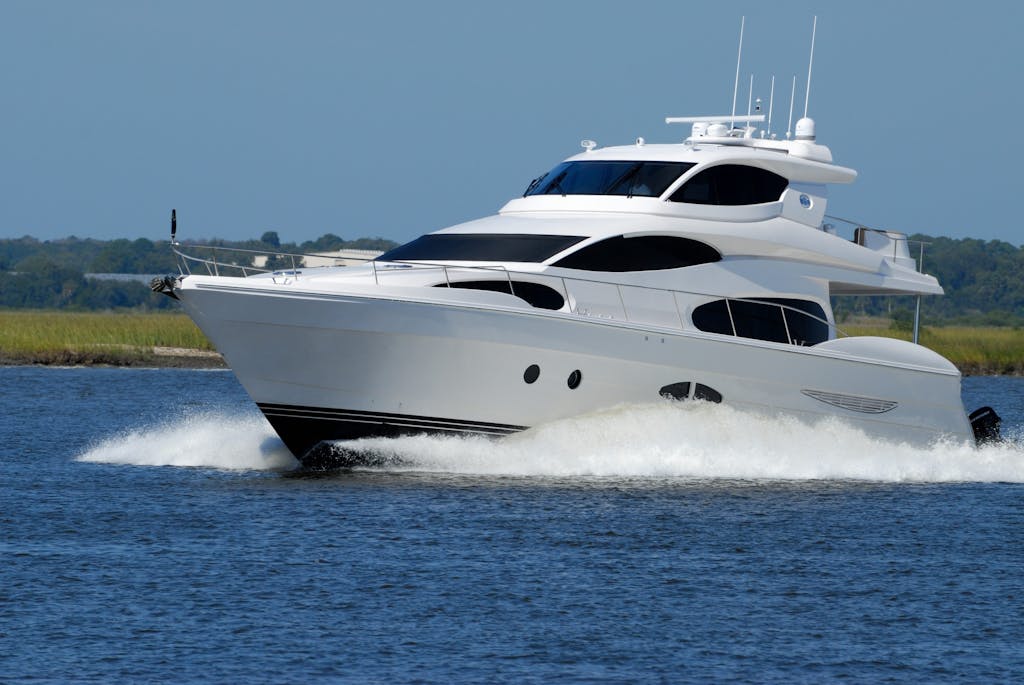
Benefits of Covered Boat Storage
- Weather Protection: A roof over your boat shields it from rain, snow, sleet, and intense sun, helping prevent UV damage and water-related issues.
- Reduced Maintenance: Boats stored in shelters typically require less Boat/Watercraft Detailing after winter.
- Enhanced Security: Locked structures or monitored facilities provide a more secure environment for your vessel.
- Convenience: Many covered storage areas offer electricity and water access, making basic maintenance easier.
Over time, this level of protection makes it absolutely clear that it is worth it to store a boat in a shelter.
Outdoor Open Boat Storage: Pros and Cons
Pros:
- Lower storage cost
- Easy accessibility
- Flexible for larger boats
Cons:
- Full exposure to weather
- Increased maintenance needs
- Lower security
Open storage is ideal for short-term parking between trips, but if you want to protect your investment long-term, it’s worth it to store a boat in a shelter instead.
What Is the Cheapest Way to Store a Boat?
The cheapest way is usually at home, in a driveway or yard. Add a canopy or carport for some protection. If that’s not an option, consider outdoor lots or peer-to-peer platforms like Neighbor’s boat storage service.
Just don’t skip on a good cover or seasonal cleaning like Boat Detailing Services. Even cheap storage should be paired with proper care.
How Long Can a Boat Sit Without Being Winterized?
If temperatures fall below freezing, do not let your boat sit more than a day or two without winterization. Freezing water can crack engines, hoses, and pumps quickly.
Even in milder climates, untreated fuel and dirty systems degrade over time. Avoid surprise damage—winterize early and store clean.
Need a refresher on surface restoration? Here’s How to Restore Faded Gelcoat on a Boat.
Where Is the Best Place to Store a Boat?
The best place to store your boat is:
- Indoors: Garage, marina warehouse, or dry stack facility
- Covered Outdoor: Carports or sheds on your property
- Secure Marina Lot: Fenced, monitored, and elevated
The best spot balances protection and access. If you’re near Columbus, Boat Detailing in Columbus services can help prep your boat before and after storage.
What Is the Best Way to Store a Boat?
The best way includes:
- Winterization
- Cleaning
- A snug cover or shrink wrap
- Indoor or covered location
- Regular inspections
Shelters like garages or sheds offer complete coverage. DIY options, carports, or even portable canopies can also work if installed securely. Even with a great cover, it is worth it to store a boat in a shelter to avoid problems from prolonged exposure.
Other Boat Shelter Options (Sheds, Carports, and DIY Solutions)
Boat Sheds: Fully enclosed, custom-sized, ideal for long-term storage.
Carports: Budget-friendly and easy to install but offer less protection on the sides.
Garages: Offer maximum protection, but with higher upfront costs.
Boat Canopies: Great for short-term or seasonal use. Portable and affordable.
Storage Units: Useful for small boats, but check if the facility allows boat storage.
For more inspiration, check out Discover Boating’s storage guide for ideas on customizing your shelter setup.
Winterization and Maintenance Tips for Stored Boats
- Drain and flush all systems
- Stabilize fuel and fog the engine
- Clean thoroughly inside and out
- Lubricate moving parts
- Remove battery and valuables
- Cover tightly and check periodically
These steps are non-negotiable. Whether storing in your yard or a rented facility, preparation ensures your boat stays ready for the next season.

About the Author
Kevin Schatz is the president of Speedy K’s Mobile Detailing Systems, a Central Ohio company providing professional on-site detailing for automobiles, boats, RVs, motorcycles, commercial trucks, fleets and aircraft. His experience includes technician training, detailing-product development and the creation of more than a dozen training manuals and educational resources. Kevin shares practical advice drawn from 30+ years in the detailing industry to help vehicle owners properly clean, protect and preserve their investments.