

What are the steps to detailing a boat?
Why Regular Boat Detailing Matters
Boats spend their lives in harsh environments. Salt spray, UV radiation and algae all attack gelcoat and vinyl, causing surfaces to dull and crack. Regular detailing is not just about vanity; it preserves structural integrity, safety and resale value. Consistent cleaning and protective treatments prevent oxidation, corrosion and fading and keep decks slip‑resistant. Well‑maintained boats handle better, burn less fuel and hold their value longer, making Boat/Watercraft Detailing a sensible investment for any owner. Professional packages like Boat Detailing Services bundle exterior washing, hull cleaning and interior sanitizing to ensure every component is protected.
Consistent upkeep also reduces the need for expensive corrective work. Washing after every outing removes salt deposits and grime that etch into gelcoat, while a thorough detail every three to six months keeps oxidation at bay. Because the Columbus climate includes humid summers and cold winters, owners in Ohio benefit from scheduled Boat Detailing in Columbus to prepare for storage in autumn and spring launches.

Preparing Your Boat for the Detail
Before diving into polish and wax, set yourself up for success. Start by removing all personal gear, life jackets, coolers and fishing equipment so you have clear access to every surface. Choose a cool, shaded spot; working under direct sun causes soaps and sealants to flash‑dry and leave stubborn streaks. Rinse the boat from top to bottom to knock off loose debris and prevent grit from scratching the finish.
Use the two‑bucket wash method to avoid grinding dirt back into the gelcoat. One bucket holds soapy water and the other holds clean water for rinsing your mitt; switching between them traps abrasive particles in the rinse bucket. After washing, use a clay mitt or clay bar to decontaminate the hull and remove bonded minerals. Dry the boat thoroughly with microfiber towels to prevent water spots, then mask or protect any sensitive electronics or teak before compounding.
Essential Tools and Supplies
A few specialized tools make boat detailing easier and safer. Always use marine‑grade products—household cleaners can strip wax and damage gelcoat. Here are a few essentials derived from professional checklists:
| Category | Equipment | Notes |
|---|---|---|
| Washing & Drying | pH‑balanced boat soap, soft bristle brushes, chenille microfiber wash mitt, high‑quality microfiber towels | Wash from top to bottom and dry completely to avoid water spots. |
| Spot Treatment | Clay mitt/clay bar, dedicated water‑spot remover | Decontaminate hull and remove mineral deposits before polishing. |
| Interior Care | Vacuum with crevice tool, vinyl cleaner, UV protectant | Clean seams and under cushions; protect vinyl from cracking. |
| Protective Products | Marine‑grade compound, polish and wax/sealant | Compound removes oxidation, polish restores gloss, wax creates a barrier. |
| Safety Gear | Gloves, eye protection | Chemicals and flying debris require proper protection. |
Having the right tools prevents frustration and ensures that the products you apply bond properly to the surface.

What are the steps to detailing a boat?
A thorough detail follows a logical sequence so dirt isn’t re‑deposited on freshly cleaned surfaces. A proven seven‑step method takes a boat from grimy to gleaming:
Step 1: Wash and Decontaminate
Begin by giving the entire boat a deep wash to remove loose dirt, salt and algae. Remove or cover carpets and accessories, then wash from the tower or hardtop down to the hull to prevent streaks. Use a marine‑safe soap and rinse frequently. After washing, use a clay mitt to lift bonded contaminants such as mineral deposits and scum lines. If the boat is severely oxidized, move directly to compounding.
Step 2: Correct the Gel Coat Finish
Once clean, correct the gelcoat by compounding and polishing to remove oxidation, swirls and light scratches. Detailers often use a two‑step process: first apply a coarse compound to eliminate oxidation, then follow with a fine polish to restore depth and shine. Work in small sections and be thorough—skipping areas leaves dull spots that stand out.
Step 3: Apply Paint Protection
After polishing, protect your work with a sealant or wax. A high‑quality polymer sealant shields against UV rays, salt and oxidation for six to twelve months. Wax should be applied in thin, overlapping layers and buffed to a high gloss. This sacrificial layer is the first line of defense against the elements.
Step 4: Deep Clean the Interior
While the hull cures, move inside. Vacuum carpets and storage lockers, then clean vinyl seats and upholstery with a pH‑neutral, marine‑specific cleaner. Avoid household chemicals like bleach or ammonia; they strip oils from vinyl and cause cracking. Dry all cushions and compartments thoroughly to prevent mildew.
Step 5: Correct and Protect Interior Surfaces
Interior surfaces deserve the same corrective treatment as the hull. Lightly polish fiberglass panels and cabinetry to remove fine scratches, then apply a polymer sealant designed for interiors. Conditioning vinyl and leather seats helps maintain suppleness and resists UV damage.
Step 6: Polish Metal and Clean Glass
Chrome railings, cleats and aluminum fixtures catch the eye when they shine. Use a dedicated metal polish to restore luster and remove corrosion. Then, clean both interior and exterior glass with an ammonia‑free cleaner to avoid damaging tint or plastic. Dry with a lint‑free towel to eliminate streaks.
Step 7: Final Inspection and Buff
Finish with a careful walk‑around. Buff away any excess wax or compound residue with a fresh microfiber towel. Inspect for missed spots or streaks, and touch up as needed. A meticulous final check ensures your boat impresses at the dock or on the trailer.
What does boat detailing include?
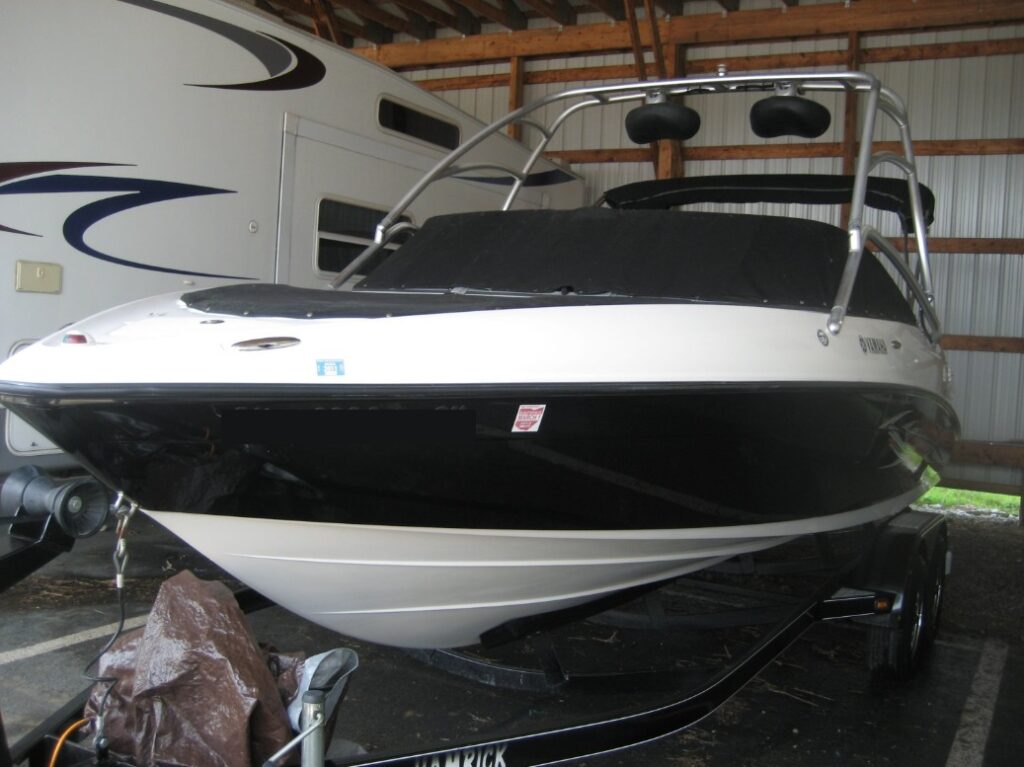
Many owners wonder what they’re paying for in a professional detail. A basic package includes exterior washing, hull cleaning, scum‑line removal and drying. Non‑skid decks are scrubbed, vinyl seats are cleansed and chrome is polished. Professionals then apply wax or a sealant to protect the finish. Interior detailing typically covers vacuuming and shampooing carpets, wiping down cabinets, disinfecting heads and conditioning leather or vinyl. More advanced packages offer oxidation restoration, ceramic coatings and engine compartment cleaning.
Engine and bilge cleaning is sometimes offered as an add‑on. It involves degreasing and wiping engine parts and checking for leaks; this improves appearance and helps spot maintenance issues early. When choosing a package, look closely at what’s included and ask if additional services like barnacle removal or interior sanitation are extra. Customizing services ensures you get the right level of care for your vessel without paying for unnecessary work—something reputable providers like Boat Detailing Services emphasize.
How much does it cost to get a boat detailed?
Prices vary widely depending on boat size, condition and service level. Detailers typically charge per foot because larger boats require more labor and materials. Basic cleaning on small boats starts around $10 per foot, while specialized restoration can reach $125–$200 per foot. For a 25‑foot vessel, a basic exterior cleaning might cost $250–$600, whereas a full interior and exterior restoration could exceed $3,000.
The table below summarizes typical per‑foot rates for different boat sizes:
| Boat size | Basic detail (per foot) | Comprehensive detail (per foot) |
|---|---|---|
| Small (≤20 ft) | $10–$20 | $20–$30 |
| Medium (20–40 ft) | $12–$25 | $25–$35 |
| Large (≥40 ft) | $15–$30 | $30–$45+ |
Keep in mind that heavily oxidized surfaces or neglected boats may incur additional costs from $20–$55 per foot for corrective work. Mobile service or travel to inaccessible docks can also add surcharges. To gauge value, compare package contents and check whether interior cleaning, oxidation removal and protective coatings are included. Talking with a professional like those at Boat Detailing Services helps align your budget with your boat’s needs.
Factors That Influence Pricing
Several variables determine the final cost:
- Size and condition: Larger boats and heavily oxidized hulls require more time and specialized products.
- Type of service: A simple wash includes hull washing, deck scrubbing and light spray wax, while comprehensive packages add buffing, oxidation removal and ceramic coatings.
- Location and accessibility: Coastal regions often have competitive pricing; inland areas may be higher due to fewer service providers. Mobile services may charge travel fees.
- Add‑ons: Engine cleaning, barnacle removal and bilge degreasing are usually priced separately.
Understanding these factors helps you choose the right Boat/Watercraft Detailing package and avoid unexpected charges.
How long should it take to detail a boat?
Detailing time depends on boat size, condition and the level of service. A small, well‑maintained boat might require three to five hours for a basic wash. Mid‑sized boats needing wash, wax and interior detailing can take a full day. Large boats over 40 feet or vessels requiring oxidation restoration and deep interior cleaning may require two or more days. Weather conditions, access to water and power, and the number of detailers working on the boat also influence timing.
From a do‑it‑yourself perspective, South Shore Detail notes that small boats need four to six hours, while yachts can take up to two days based on condition and service level. Professionals often complete the job more efficiently because they use commercial‑grade polishers and have trained teams. When scheduling a detail, ask for a time estimate so you can plan around your boating schedule.
Maintaining Your Boat Between Details
Regular maintenance between professional details keeps your boat looking its best and reduces long‑term costs. Rinse your boat thoroughly after every outing, especially after saltwater exposure. Wipe down vinyl seats and apply UV protectant to prevent cracking. Keep the bilge area clean and dry to avoid mildew. Inspect your boat regularly for minor oxidation or stains and address them promptly—small issues are easier to fix before they become major restorations.
Frequent waxing or sealing extends protection. South Shore Detail recommends waxing every two to three months and applying a sealant once or twice per season to guard against UV and saltwater damage. Scheduling a full detail every three to six months ensures that the protective layers are refreshed and any developing problems are caught early.
Common Mistakes to Avoid
A few missteps can undo all your hard work. Avoid using car soaps or household cleaners; they strip protective coatings and harm fiberglass. Never wax non‑skid surfaces—it creates dangerous slipperiness. Don’t scrub clear vinyl or isinglass with abrasive brushes or ammonia‑based cleaners because they cause scratching. Mixing cleaning chemicals such as bleach and acids releases toxic fumes and damages surfaces. Skipping preparation—like washing before waxing—traps oxidation under the wax and dulls the finish. Lastly, neglecting small areas like metal fittings accelerates corrosion.
DIY vs. Professional Boat Detailing
Detailing a boat yourself can save money but demands time, labor and specialized equipment. DIY kits cost around $100–$300 and require several hours—sometimes days—to achieve professional‑level results. Without rotary buffers and marine‑specific compounds, the outcome may disappoint. Professional detailers charge between $20 and $45 per foot for comprehensive services, but they complete the job more quickly and use commercial‑grade tools that deliver a deeper shine and longer‑lasting protection.
When selecting a professional, look for transparent pricing, clear per‑foot rates and detailed descriptions of what each package includes. Examine before‑and‑after photos and verify that the detailer is insured. In the Columbus area, Boat Detailing Services offer mobile packages where technicians travel to your dock or driveway. If convenience is important, learn How Does Mobile Boat Detailing Work and compare the added travel fees to the time you save. Investing in professional Boat Detailing in Columbus yields better results and preserves your watercraft’s value over time.
Conclusion
Detailing a boat isn’t just about keeping it shiny—it’s a maintenance practice that safeguards your investment, improves performance and ensures safety. Following a structured process of washing, correcting, protecting and inspecting delivers professional‑grade results. The right tools and products make the job easier, and staying on a regular schedule prevents costly restoration down the road. Whether you choose the DIY route or hire a professional, understanding What are the steps to detailing a boat? empowers you to make smart decisions and enjoy your vessel for years to come. For tailored packages and expert care, check out Boat/Watercraft Detailing or explore Boat Detailing Services in your area.

About the Author
Kevin Schatz is the president of Speedy K’s Mobile Detailing Systems, a Central Ohio company providing professional on-site detailing for automobiles, boats, RVs, motorcycles, commercial trucks, fleets and aircraft. His experience includes technician training, detailing-product development and the creation of more than a dozen training manuals and educational resources. Kevin shares practical advice drawn from 30+ years in the detailing industry to help vehicle owners properly clean, protect and preserve their investments.