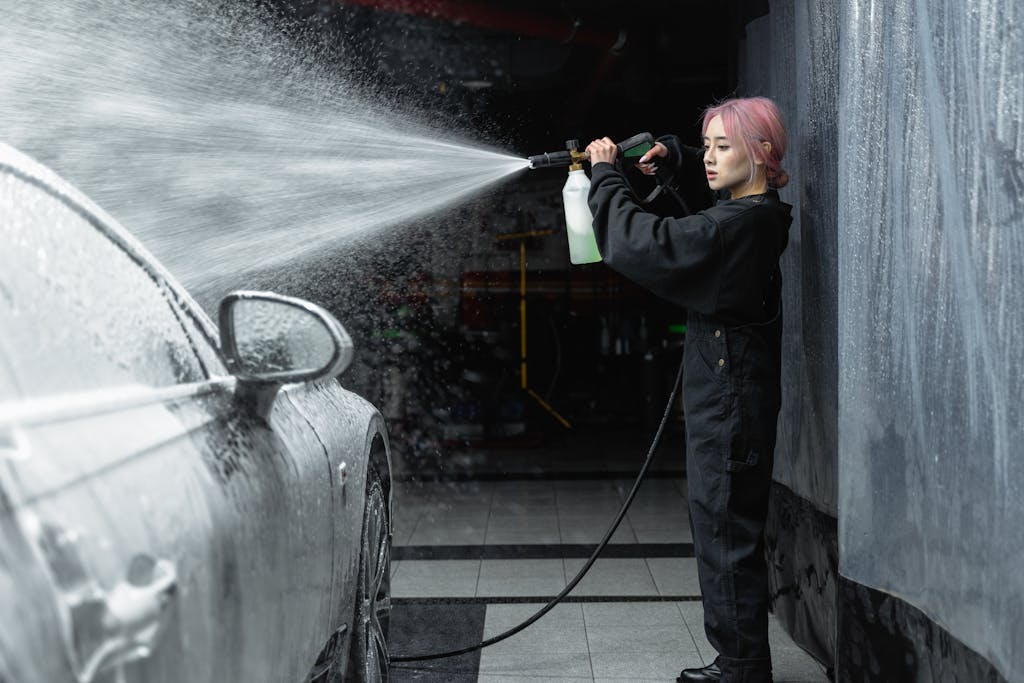

Should I Get My Car Detailed Before Selling It?
Selling a vehicle can feel a little like sending a family member off to college. As I prepared to part with my own sedan last fall, I agonized over every scratch and crumb that had accumulated over the years. Friends told me not to bother with a deep clean because the dealership would do it anyway. But I remembered how my neighbor’s meticulously detailed minivan attracted buyers within days, while others in our community sat on the market for months. That personal experience inspired me to explore whether a thorough cleaning and detail is truly worth the effort and expense. In this guide I’ll share what I learned—bolstered by industry statistics, real-life stories and expert advice—and help you decide whether a professional detail is the right move for your sale.
Why Detailing Matters Before You Sell
When you’re looking to maximize the sale price of a car, presentation matters. A clean, freshly detailed vehicle communicates pride of ownership and can make even an older model feel more valuable. Research backs up this intuition. According to a recent car‑shopping guide, deep cleaning your vehicle before selling can yield up to a 200 percent return on investment. Moving a car’s condition from “good” to “very good” added roughly $703 to the trade‑in value of a 2019 Subaru Outback and as much as $3,175 to its private‑party value. Removing odors, shampooing carpets and eliminating stains makes the cabin more inviting, while a spotless engine bay reassures buyers that the vehicle was well maintained. These improvements, though seemingly cosmetic, translate into trust and higher offers.
I learned this the hard way when selling an older SUV on a tight schedule. I skipped the detail to save $150. A week later, a potential buyer remarked about the faint smell of wet dog in the back seat and low‑balled the offer. After spending a Saturday renting an extractor and cleaning the interior myself, I relisted the car and accepted an offer $500 higher than the initial bid. That extra weekend of elbow grease proved that even basic detailing tasks can pay dividends.
Interior vs. Exterior vs. Engine Bay
You don’t have to be a professional detailer to get results, but understanding the areas that matter most helps you prioritize. Interior detailing removes food crumbs, pet hair and odors through vacuuming, shampooing and steam extraction. Exterior detailing goes beyond an automated wash by using iron‑remover sprays, clay bars and hand waxing to restore the paint’s gloss. Engine bay cleaning may sound intimidating, but gently degreasing and wiping down plastic components conveys that you haven’t been hiding leaks or neglecting maintenance. Together, these three focus areas tell a cohesive story of care and stewardship.
A Visual Look at Value
Below is a simple chart based on industry data showing how a thorough detail improved the trade‑in and private‑party value for a 2019 Subaru Outback. Even modest improvements in condition yielded hundreds or thousands of dollars:
As the chart illustrates, taking the time to elevate a vehicle from “good” to “very good” can add roughly three thousand dollars to the sale price. For most vehicles, the cost of a professional detail is far lower than the possible gain.
What Is the $3000 Rule for Cars?
When I sat down with a trusted mechanic to discuss when to sell my ten‑year‑old hatchback, he introduced me to the $3,000 rule. The concept is straightforward: if your annual repair costs are under $3,000, you’re usually better off keeping the car; once repairs exceed $3,000 per year and the odometer reads over 150,000 miles, it’s time to consider selling or trading it. The rationale is simple: at that point you’re putting more money into maintenance than the vehicle is retaining in value. I kept this benchmark in mind when budgeting for detailing: spending $200–$300 on a professional detail made sense because my overall repairs were well below the threshold and the car still had resale life left.
Here’s a quick visualization of that rule:
If your vehicle is approaching that repair threshold or has high mileage, investing in detailing before selling can still help you recover value before major repairs diminish the sale price.

How Much Does a Car Salesman Make on a $10,000 Car?
Understanding how dealerships compensate their sales staff demystifies pricing. Contrary to popular belief, salespeople don’t usually earn a percentage of the car’s sticker price. Most dealerships pay 20 to 30 percent of the gross profit on the vehicle. For example, if a dealer bought a car for $28,000 and sold it for $30,000, the $2,000 profit yields a commission of about $500 at a 25 percent rate. On slim‑margin deals, some salespeople receive a “mini” commission of $100–$200 just for moving the unit. That means your negotiation on price impacts the dealership’s profit more than the salesperson’s take‑home. When you know this, you can negotiate with confidence and focus on the bottom line.
The chart below illustrates how commission varies with different percentages on a $2,000 profit:
On a $10,000 sale, profits are often slim; commissions might be similar to the example above. When a salesperson seems pushy, remember they’re working toward a volume bonus rather than trying to pocket thousands from your purchase.
Is $300 a Lot for Car Detailing?
It depends on what you’re paying for. Basic wash‑and‑vacuum packages often start around $50–$80, while interior‑only detailing runs $100–$180, and exterior‑only services cost $120–$200. A comprehensive interior and exterior detail typically falls between $150 and $300. Specialty services like paint correction or ceramic coating can climb to $600 or more, and long‑term protective coatings start around $500–$1,500+. In my own experience, a $250 full detail included steam cleaning the upholstery, waxing the exterior and neutralizing odors—work that would have taken me a full weekend to replicate.
Whether $300 is “a lot” depends on your vehicle’s value and time constraints. For a newer car worth $15,000, spending $300 to gain $1,000 in resale value is a smart move. For an older commuter with peeling clearcoat and high mileage, a quick DIY spruce‑up might suffice. In either case, scheduling a Mobile Auto Detailing or Vehicle Car Care Package can be more convenient than dropping your car off at a shop.
What Is the Biggest Mistake That First‑Time Car Buyers Make?
As someone who once overpaid for a used sports car because I fixated on the monthly payment, I can attest that the biggest mistake is focusing on the monthly installment rather than the total purchase price. Experts warn that dealers can manipulate loan terms—extending a loan from 48 to 72 months or hiding extra fees—to meet your target payment while inflating the overall cost. First‑time buyers also often reveal their budget, payment goals or trade‑in plans too early, giving the salesperson leverage. To avoid these traps, negotiate the out‑the‑door price first, secure financing in advance and keep monthly payment discussions off the table until you agree on a price.
I learned this lesson after telling a dealer I could afford $350 per month. They quickly offered a seven‑year loan at a high interest rate. By walking away and renegotiating based on the vehicle’s total price, I saved nearly $2,000 in interest and fees. Patience and preparation are your best friends when buying for the first time.

Choosing the Right Detailing Package
Not all detailing services are created equal. For busy professionals or families, Mobile Auto Detailing brings the service to your driveway, saving travel time. A Vehicle Car Care Package bundles interior and exterior services at a predictable price, which can be ideal if you sell a car every few years. Businesses with multiple vehicles should consider Company Fleet Detailing to maintain a consistent appearance and resale value across their entire lineup. These packages often include volume discounts and scheduled maintenance that prevent wear from accumulating over time.
When selecting a package, ask what is included: Does the service move seats to vacuum rails? Does it use steam extraction for carpets? Is paint decontamination followed by wax or sealant? A reputable provider should answer these questions transparently. You can also read Autotrader’s detailed guide for another perspective on how professional detailing enhances resale value.
DIY vs. Professional Detailing: Which Should You Choose?
I’ve tried both approaches. On my first car sale, I spent a full weekend washing, claying and waxing the exterior, renting a steam cleaner for the carpets and wiping down every vent. I saved money, but I discovered there’s a steep learning curve: using too much water on the upholstery can cause mold, while applying polish incorrectly can leave swirls. Professional detailers, on the other hand, have specialized tools and products—iron‑remover sprays, clay bars, steam machines, hot‑water extractors and ozone generators—that produce better results in less time. Hiring a pro also includes the convenience of not having to purchase supplies you might never use again.
That said, DIY detailing still has merit if you enjoy hands‑on projects and your car is in decent shape. Start with a thorough vacuum, use a microfiber wash mitt and pH‑balanced soap on the exterior and invest in an enzyme‑based odor neutralizer. Reserve professional services for paint correction, heavy pet hair or persistent odors that require specialized equipment.
What Does a Full Interior Auto Detail Include?
Understanding the difference between a basic clean and a full interior detail helps you decide how much to invest. According to industry guides, a basic interior service typically covers a quick vacuum, wiping down the dash and cleaning the windows; it’s good for maintenance and takes about 45–90 minutes. A full interior detail is far more extensive. Detailers move seats to vacuum rails and hidden crevices, shampoo carpets and mats with extraction machines, steam‑clean surfaces to remove embedded dirt, condition leather, brush out vents and crevices and use enzyme or ozone treatments to neutralize odors. This restorative process can take three to five hours depending on the vehicle’s condition.
To quickly compare the differences, here’s a concise table:
| Service Feature | Basic Interior Detail | Full Interior Detail |
|---|---|---|
| Vacuuming | Seats, mats & cargo area | Entire cabin, including seat rails & crevices |
| Surface Cleaning | Dash, door panels & glass | Disinfect hard surfaces, vents & trim |
| Carpet/Upholstery | Light mat scrubbing | Shampoo & extraction of carpets & mats |
| Leather Care | Usually omitted | Cleaning & conditioning of seats |
| Pet Hair & Sand | Surface removal | Specialized tools for embedded debris |
| Odor Control | Air freshener spray | Enzyme or ozone odor neutralization |
| Time Required | 45–90 minutes | 3–5 hours or more |
For a complete breakdown and tips on maintaining that freshly detailed feeling, check out What does a full interior auto detail include?. This article offers step‑by‑step insights and confirms why full interior detailing is so transformative.
Should I Get My Car Detailed Before Selling It?
If you’re selling to a dealership, a light cleaning is generally sufficient—dealers will recondition the car anyway. But if you’re selling privately or trading in a vehicle in good or very good condition, detailing is almost always worth it. Statistics show that a modest investment can generate returns many times over. Beyond the numbers, a freshly detailed car photographs better, attracts more serious buyers, and makes test drives more pleasant. A buyer’s first impression can be the difference between a quick sale at asking price and weeks of haggling.
On a personal note, detailing before selling became part of my ritual. I found satisfaction in returning a car to near‑new condition before handing over the keys. Each time, the process reminded me of the road trips, errands and milestones we shared. And each time, the offers came in faster and higher than expected. Detailing isn’t just about the money—it’s about honoring the value of a vehicle as you move on to the next chapter.
Conclusion
Preparing a vehicle for sale is as much an emotional journey as it is a financial decision. Weigh the cost of detailing against the potential return, consider the $3,000 rule when deciding whether to invest further in maintenance, and remember that buyers appreciate transparency and care. By combining a strategic approach with thoughtful presentation, you’ll set yourself up for a successful sale—and perhaps even enjoy the process along the way.