

What are the benefits of RV detailing?
Owning a recreational vehicle is about more than getting from point A to point B; it’s about creating a comfortable home on wheels. Just like a house, an RV demands maintenance to stay safe, efficient and inviting. Regular detailing is the cornerstone of that care. Far from being a vanity service, detailing protects your investment, keeps you healthy on long journeys and ensures you enjoy every mile. In the following sections, you’ll see what are the benefits of RV detailing? unfold in detail.
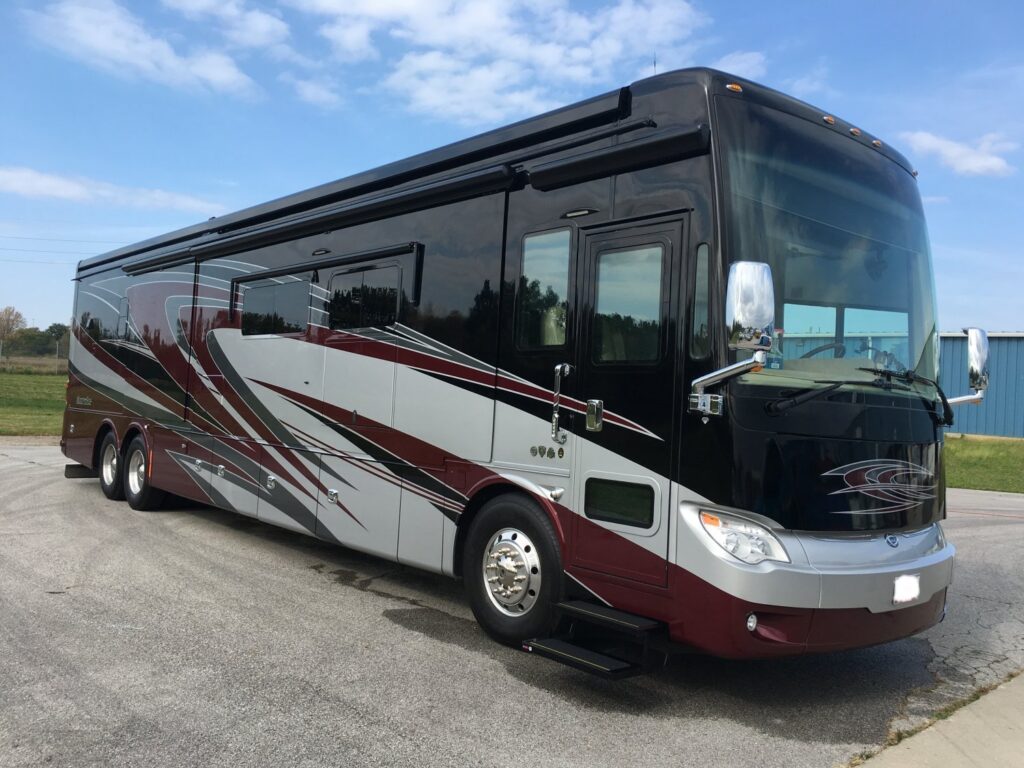
Protecting and Extending Your RV’s Lifespan: What are the benefits of RV detailing?
A motorhome’s exterior constantly faces sun, rain, salt, road grime and bird droppings, all of which accelerate fading, oxidation and corrosion. Professional detailing includes washing, polishing and applying waxes or ceramic coatings that block ultraviolet damage and repel contaminants. When wax and sealants are regularly applied, surfaces stay shiny and resist dirt, so grime doesn’t embed deeply and cleaning becomes easier. Keeping the paint, rubber seals and roof protected prolongs the lifespan of fiberglass panels and prevents costly repairs down the road. In short, routine detailing is like sunscreen for your RV: it shields the exterior from premature wear and tear.
Preserve seals, graphics and roof components
Professional detailers know that an RV is more than a large car. Each component—fiberglass panels, aluminum trim, vinyl graphics, rubber gaskets and roof membranes—requires specific cleaning agents and techniques. Using the wrong product can cause streaking or seal damage. Detailers gently remove bug splatter and road tar, clean and condition seals and apply specialty coatings to graphics so they don’t fade or crack. They also clean the roof and awnings, which are often neglected but crucial to preventing leaks. Protecting these vulnerable areas extends the service life of your RV and ensures everything stays watertight.
Improving Interior Comfort and Health: What are the benefits of RV detailing?
Long trips turn an RV into a mobile living room, kitchen and bedroom. Over time, dust, sand, mildew and odors accumulate in carpets, upholstery and vents. Professional interior detailing goes beyond a quick vacuum; it involves deep‑cleaning and sanitizing every surface. Detailers vacuum carpets, shampoo upholstery, clean vents and wipe down counters and appliances so that allergens, bacteria and stale odors are removed. A fresh interior makes your vehicle feel like a proper home and promotes a healthier environment, especially if you travel with children or pets. In addition, sanitized kitchens and bathrooms reduce the risk of food‑borne illnesses and mold.
Air quality matters
Air quality inside an RV affects your comfort and well‑being. Professional detailers use non‑toxic cleaners and steam to neutralize odors and kill microbes, ensuring the air you breathe is clean. Clean vents and upholstery also reduce allergens and dust, which can otherwise trigger respiratory issues or allergies. Regular detailing therefore contributes to better sleep and overall comfort during extended stays on the road.

Boosting Fuel Efficiency and Performance
A clean exterior isn’t just about looks—it can also improve your mileage. Dirt and grime create aerodynamic drag, forcing your engine to work harder and consume more fuel. By washing away contaminants and waxing the surface, you reduce drag and help the RV slip through the air more efficiently. Proper detailing also includes cleaning and inspecting tires; detailers check inflation and remove debris from treads so rolling resistance stays low, further improving fuel economy. Additionally, by keeping windows, mirrors and lights clear, detailing ensures optimal visibility and safer handling.
Mechanical peace of mind
During detailing, professionals often spot issues that an untrained eye might miss. Inspecting lights, wipers and seals can reveal small problems before they become costly repairs. They may even notice signs of leaks or mechanical wear, prompting timely maintenance. These proactive checks contribute to a smoother ride and reduce the risk of breakdowns on your next adventure.
Enhancing Safety and Visibility
Driving a large RV demands clear sightlines. Clean windows, mirrors and exterior lighting are essential for safe lane changes and reversing. Professional detailers meticulously clean glass inside and out and polish headlight lenses so you can see and be seen. They also apply rain‑repellent treatments to windshields, which improve visibility in wet conditions. By keeping tires free of debris and checking tread depth, detailers support better traction and handling. Enhanced visibility and vehicle control translate into safer journeys, especially on narrow mountain roads or in poor weather.
Enhancing Resale Value and Curb Appeal
A well‑detailed RV looks newer and better cared for, making it more attractive to potential buyers. Maintaining shiny paint, clean trim and spotless interiors signals that the owner has invested in proper upkeep. When it comes time to sell or trade in your RV, consistent detailing can command a higher price. Industry professionals note that buyers are willing to pay more for vehicles that show no signs of neglect or damage. Even if you never intend to sell, keeping your RV pristine enhances your pride of ownership every time you arrive at a campground.
Showroom shine matters
Detailing doesn’t just remove dirt; it restores the gloss and depth of color. Services like polishing, buffing and applying sealants eliminate swirl marks and oxidation. Polished metal trim and cleaned wheels catch the eye, while conditioned rubber seals and vinyl graphics resist cracking. With the right maintenance, your RV will continue to turn heads long after it leaves the factory.
What does an RV detailer do?
An RV detailer performs a systematic cleaning, restoration and protection of your vehicle’s exterior and interior. The work goes far beyond a simple wash. Detailers use specialized soaps and waxes to wash the body, polish and wax the paint, treat tires and wheels, clean and polish metal trim and remove bugs and tar. They clean windows, awnings and exterior appliances, and may even remove light scratches or swirl marks through compound buffing. Inside, they vacuum and shampoo carpets and upholstery, clean leather, remove stains, polish wood surfaces and eliminate odors. Sanitizing kitchens and bathrooms and disinfecting surfaces ensures your RV is hygienic and comfortable. In essence, a detailer acts as both a mechanic of cleanliness and a guardian of your RV’s materials.
Specialized expertise
Detailing an RV requires specialized tools and knowledge. Professionals understand how different materials—fiberglass, gel coat, aluminum and vinyl—react to cleaners and polishes. Using inappropriate products can damage seals or fade graphics. The expertise of a detailer ensures that every surface is treated properly, preserving the vehicle’s integrity. Many companies offer tailored packages like the Vehicle Car Care Package, Mobile Auto Detailing or Company Fleet Detailing, allowing owners to choose services that match their needs and budget.
What is the 3‑3‑3 rule for RV living?
The 3‑3‑3 rule is a guideline for pacing road trips: drive no more than 300 miles per day, stay at least three nights at each campground and arrive by 3 p.m. each day. Limiting driving to around four hours prevents fatigue and leaves time for sightseeing and rest. Staying three nights allows you to fully set up your site, explore the area and avoid the stress of packing up daily. Arriving by mid‑afternoon increases your chances of finding a good campsite and gives you time to resolve any issues with hookups before nightfall. While not a hard rule, following these guidelines can make long RV trips safer and more enjoyable.
Travel smarter, not harder
By slowing your pace, you conserve energy and reduce wear on your vehicle. Keeping drives short reduces stress and gives you time to appreciate scenic routes or local attractions. Arriving early means daylight for backing into your spot and settling in. Adhering to the 3‑3‑3 rule aligns with the goal of what are the benefits of RV detailing?—both aim to ensure your travel experience remains comfortable, safe and worry‑free. For a deeper dive into travel pacing, check out this 3‑3‑3 rule of RV travel article from Cruise America.
What is the purpose of detailing?
The primary purpose of detailing is to restore and protect your vehicle. Over time, dirt, road salt and ultraviolet exposure break down paint, trim and interior surfaces, which can reduce resale value and compromise comfort. Detailing removes contaminants, polishes surfaces and applies protective coatings to slow future damage. Professionals vacuum and shampoo interiors, condition leather, clean vents and apply waxes or sealants so that your RV looks better and lasts longer. The end result is a vehicle that not only looks fresh but is better protected against environmental hazards.
Maintenance versus vanity
Some owners think detailing is purely cosmetic. In reality, it’s preventative maintenance. Polishing and waxing are analogous to oil changes; they preserve materials and prevent expensive repairs later on. Detailing also keeps the interior healthy by removing bacteria and allergens. Investing in routine detailing is therefore an investment in longevity and health, not just aesthetics.
How much do you typically charge per foot when you’re detailing an RV?
Pricing varies based on size, condition and the level of service. For a 35‑foot RV, industry experts estimate costs ranging from $8 to $40 per linear foot, putting a full detail between $280 and $1,400. A basic wash usually falls at the lower end—about $8 to $10 per foot—while a thorough exterior wax, roof and awning cleaning, oxidation removal and polishing drive the price higher. High‑end treatments like ceramic coatings or paint protection films add cost but provide long‑term protection and shine. In many cases, packages such as Vehicle Car Care Package, Mobile Auto Detailing or Company Fleet Detailing allow owners to bundle services at a predictable per‑foot rate.
Factors influencing price
Several factors affect the final cost of detailing. The RV’s condition matters: oxidation, mold or algae growth require more time and labor to remove. Your location and local labor rates can also influence price. Additionally, frequency plays a role; regular customers often receive discounts from service providers. When comparing quotes, consider what’s included—hand washing, bug and tar removal, roof cleaning, waxing, window cleaning, tire and wheel detailing and interior carpet shampooing. Higher initial costs for premium products can save money in the long run by reducing the need for repairs.
Why professional detailing beats DIY
Detailing an RV yourself can be tempting, but the scale of the job is overwhelming. A large RV requires hours of washing, buffing and cleaning, and without professional equipment it’s easy to miss spots or cause damage. Professional detailers have pressure washers, polishers, steam cleaners and scaffolding to reach every corner safely. They also possess the training to select the right products for each surface, avoiding harm to seals or graphics. Investing in a pro detail saves you countless hours and ensures that your RV receives the thorough care it deserves.
Save time and protect value
Cleaning a big vehicle can easily become an all‑day task, taking away precious leisure time. Hiring a detailer frees you to focus on planning your trip or enjoying your destination. Consistent professional detailing preserves your RV’s value and demonstrates to future buyers that you’ve maintained it properly. To explore how RV care differs from automotive detailing, read RV Detailing vs. Car Detailing. This guide underscores why specialized techniques are essential for large coaches and offers insights into selecting the right Vehicle Car Care Package or Mobile Auto Detailing for your needs.
The bottom line
Routine RV detailing is more than cosmetic—it’s an investment in comfort, safety, performance and long‑term value. By protecting surfaces from UV damage and corrosion, you extend the lifespan of your RV. Deep interior cleaning removes allergens, bacteria and odors, making long trips healthier and more enjoyable. A clean exterior cuts aerodynamic drag and, together with properly maintained tires, can improve fuel efficiency. Cared‑for vehicles command higher resale prices and reflect your pride of ownership. Whether you’re preparing for a cross‑country adventure or thinking about resale, investing in professional detailing and choosing the right service package ensures your home on wheels stays beautiful and ready for whatever road lies ahead.
Table: Key Benefits of Regular RV Detailing
| Benefit | How it helps | Related services |
|---|---|---|
| Protects exterior | Shields paint, graphics and seals from UV, moisture and contaminants | Waxing, ceramic coatings, Vehicle Car Care Package |
| Interior comfort & health | Removes dust, allergens and odors; sanitizes surfaces | Deep cleaning, upholstery shampooing, Mobile Auto Detailing |
| Fuel efficiency & performance | Clean surfaces reduce drag; tire care improves mileage | Exterior wash, tire cleaning |
| Safety & visibility | Clear windows, lights and mirrors enhance driving safety | Glass polishing, light inspection |
| Resale value | Well‑maintained RVs fetch higher prices | Full detailing packages |
| Time savings | Professionals handle laborious tasks, freeing your schedule | Company Fleet Detailing, Vehicle Car Care Package |

About the Author
Kevin Schatz is the president of Speedy K’s Mobile Detailing Systems, a Central Ohio company providing professional on-site detailing for automobiles, boats, RVs, motorcycles, commercial trucks, fleets and aircraft. His experience includes technician training, detailing-product development and the creation of more than a dozen training manuals and educational resources. Kevin shares practical advice drawn from 30+ years in the detailing industry to help vehicle owners properly clean, protect and preserve their investments.