

What Does Professional Boat Interior Detailing Include?
What does professional boat interior detailing include? A proper interior detail goes far beyond vacuuming seats and wiping down the dash. It typically includes deep cleaning marine vinyl, upholstery, carpets, flooring, storage areas, glass, plastics, cupholders, compartments, and other high-touch surfaces, followed by material-appropriate conditioning or protection where needed.
The goal is not simply to make the boat look cleaner for a weekend. Good interior detailing removes the grime, sunscreen, moisture residue, mildew concerns, stains, and everyday buildup that can slowly damage materials. Done correctly, it also makes regular upkeep much easier between professional services.
What does boat detailing include?
Boat detailing can include exterior washing, oxidation removal, polishing, gel coat restoration, interior cleaning, vinyl treatment, carpet cleaning, mildew odor treatment, teak care, and protective sealants. The exact work depends on the boat, its condition, how it is stored, and how it is used.
For the interior specifically, Boat Interior Detailing should be approached surface by surface. A boat may have marine vinyl next to plastic trim, fiberglass, carpet, glass, painted surfaces, stainless hardware, and wood. Those materials should not all be attacked with the same cleaner or brush.
That is something Kevin at Speedy K’s learned early. He started working around boats when he was about 15 after growing up near the lake, then spent years studying how boats and gel coats were actually made. Instead of simply buying a bottle off a store shelf, he trained, spoke with manufacturers, and even practiced techniques on salvage-yard boats.
What Does Professional Boat Interior Detailing Include?
A professional interior service normally begins with an inspection. Before cleaning starts, the detailer needs to understand what is dirt, what is staining, what is mildew, and what may already be permanent damage. That distinction matters because aggressive cleaning can sometimes make a damaged surface worse.
From there, the work may include vacuuming and cleaning carpet, washing hard flooring, cleaning seats and seat backs, treating vinyl, wiping dashboards and consoles, cleaning cupholders, removing grime around seams, cleaning storage compartments, and addressing glass or clear surfaces. Depending on the package, odor or mildew treatment may also be appropriate.
The difference with Professional Boat Detailing is the process behind the cleaning. The goal is to use the right product, tool, pressure, and technique for each material rather than chasing a dramatic before-and-after result at the expense of the boat.
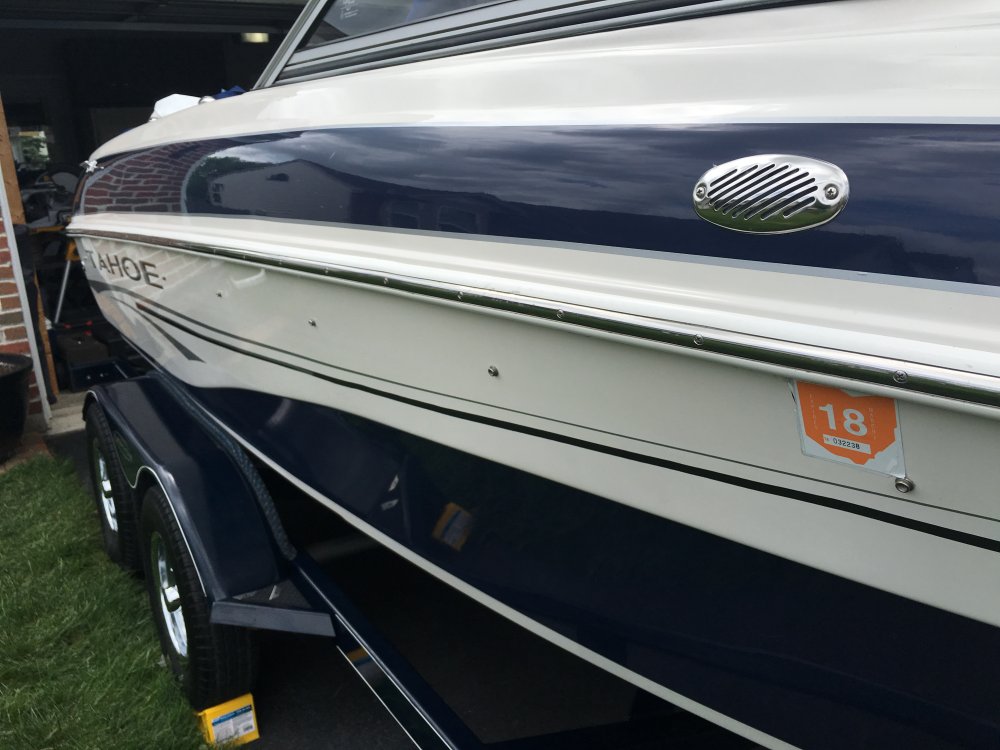
What does a full interior detail include?
A full interior detail generally goes into the areas that routine wipe-downs miss. That means seat seams, corners, storage spaces, under cushions when accessible, flooring edges, drink holders, helm surfaces, interior glass, trim pieces, and other places where moisture and debris collect.
Marine vinyl and upholstery
Seats are often the first thing owners notice. Sunscreen, body oils, food, dirt, moisture, and airborne debris can build up even when the vinyl does not look especially dirty. Marine Vinyl Cleaning should remove contamination without unnecessarily stripping the surface or damaging stitching.
This is one place where stronger is not always better. BoatUS recommends gentle cleaning methods for marine vinyl, noting that harsh scrubbing and caustic cleaners can damage protective treatments, vinyl, or thread over time.
Carpet, flooring, compartments, and hard surfaces
Carpet may need vacuuming, spot treatment, and deeper extraction depending on the material and condition. Hard flooring needs its own process. Compartments also deserve attention because closed, damp spaces are exactly where odors and mildew problems can develop.
Dash panels, plastics, glass, stainless pieces, and other hard surfaces should be cleaned with products compatible with their finish. A good detail is methodical. It is not one chemical sprayed across everything.
Why marine vinyl needs different treatment
Marine vinyl lives in a rough environment. It deals with UV exposure, moisture, sunscreen, sweat, food, lake water, temperature swings, and periods when the boat may sit covered with very little airflow.
That is why we do not treat a boat seat like a kitchen chair. Kevin’s philosophy has always been to understand what the manufacturer recommends and then maintain the material accordingly. Over decades, that approach led to continued training on coatings, fiberglass, paint systems, plastics, trim, and the products used to preserve them.
One of the biggest mistakes an owner can make is assuming a harsh chemical will solve a stubborn stain faster. It may lighten the stain while shortening the life of the material. Proper Boat/Watercraft Detailing balances cleaning power with preservation.
How to detail a boat interior?
Start by removing loose items and inspecting the interior before reaching for cleaner. Vacuum dry debris first so you are not turning dust, crumbs, and grit into wet grime. Then work from cleaner areas toward dirtier areas and use separate tools for different surfaces when necessary.
Clean vinyl and upholstery with products designed for those materials. Address stains carefully rather than automatically scrubbing harder. Clean the flooring, helm, glass, storage areas, cupholders, trim, and accessible compartments, then allow damp areas to dry properly before closing the boat back up.
For owners who do not want to transport the boat to a shop, mobile service can make the process easier. Our article How Does Mobile Boat Detailing Work? explains how the inspection, preparation, interior work, exterior work, specialized treatments, and final review can be handled where the boat is stored.
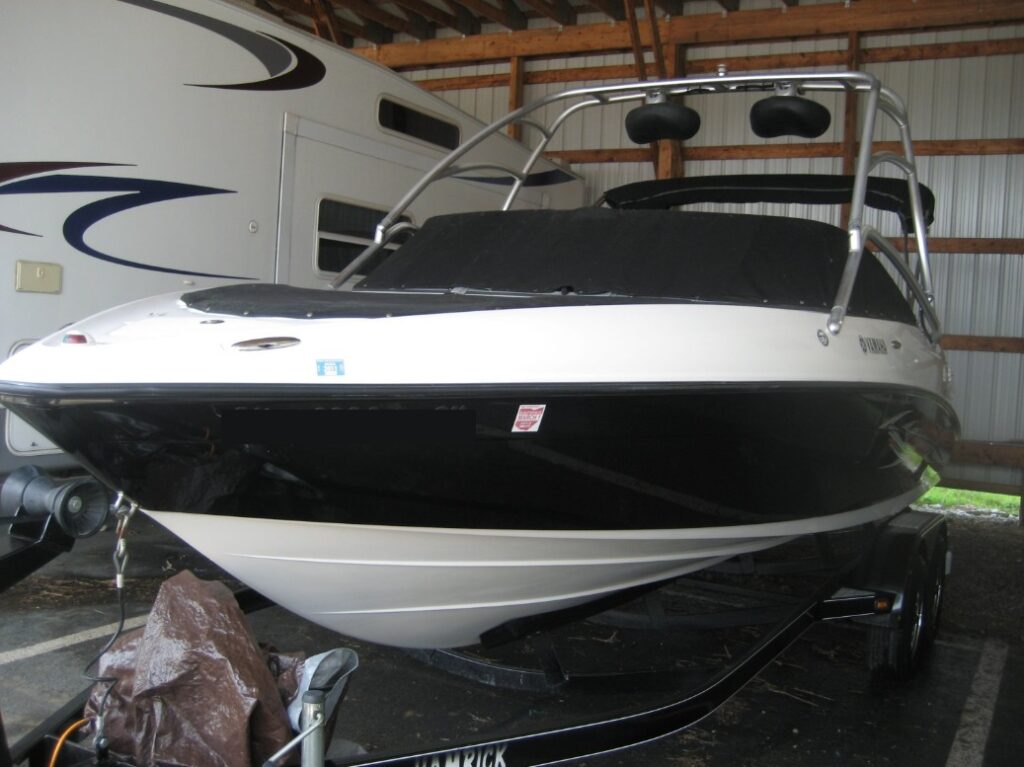
How much does it cost to detail a 20 ft boat?
There is no single correct price for every 20-foot boat because condition matters as much as length. Speedy K’s currently lists mobile boat detailing packages starting at $9 per foot, which means a qualifying 20-foot package can start around $180. A complete interior service may cost more depending on what the boat actually needs.
Heavy mildew, staining, odor problems, neglected compartments, specialized restoration, or added exterior work can all change the final quote. Speedy K’s also offers custom packages because two boats with the same length can require very different amounts of labor.
That is why photos and a condition discussion are useful before the job. A lightly used 20-footer maintained several times each season should not be evaluated the same way as a boat that has sat covered, damp, and untouched for a year.
How often should a boat interior be professionally detailed?
The best schedule depends on usage, storage, and exposure. A boat used every weekend will collect sunscreen, food residue, moisture, dust, and traffic much faster than a boat used a few times during the summer.
Kevin often emphasizes maintenance rather than miracle products. In his experience, regular professional upkeep can make routine cleaning surprisingly easy because dirt and debris do not get as much opportunity to bond, stain, or accumulate. Manufacturer recommendations should always be part of that maintenance plan.
Between appointments, wipe up spills quickly, keep the interior as dry as practical, provide ventilation when appropriate, and avoid letting grime sit on vinyl for weeks. Those small habits do more for long-term condition than waiting until the interior looks terrible.
Why professional boat detailing is about preservation, not just appearance
The biggest value of a professional interior detail is knowing when to clean, when to protect, and when to stop. Some stains are surface contamination. Other marks are discoloration, deterioration, cracking, or damage that cleaning cannot reverse.
Kevin has seen this throughout roughly 35 years of detailing. Owners understandably want a boat to look new again, but once a material is physically damaged, there are limits to what cleaning can accomplish. A trained detailer should explain that instead of using increasingly aggressive products and hoping for a miracle.
That same mindset is why Speedy K’s focuses so heavily on training, manufacturer guidance, proper tools, and realistic maintenance. The best detail does not simply produce a clean boat on service day. It helps protect the interior so the owner can enjoy it longer.
If your seats are stained, compartments smell musty, flooring is holding grime, or the entire interior simply needs a reset, a professional service can address those areas in one organized process. More importantly, it gives each material the type of care it actually needs.

About the Author
Kevin Schatz is the president of Speedy K’s Mobile Detailing Systems, a Central Ohio company providing professional on-site detailing for automobiles, boats, RVs, motorcycles, commercial trucks, fleets and aircraft. His experience includes technician training, detailing-product development and the creation of more than a dozen training manuals and educational resources. Kevin shares practical advice drawn from 30+ years in the detailing industry to help vehicle owners properly clean, protect and preserve their investments.