
What is the downside to Ceramic Coating?
The Allure and Reality of Ceramic Coatings – What is the downside to Ceramic Coating?
Ceramic coatings captivate car enthusiasts because of their promise of long‑lasting gloss and protection. These silica‑rich layers bond with your paint to resist UV rays, minor scratches and chemical stains. When applied correctly, water beads and rolls off easily, so cars stay cleaner and are simpler to wash. That appeal makes coatings seem like an ideal solution for vehicles exposed to harsh weather. But the excitement often overshadows practical realities, and that’s why it’s worth asking what is the downside to Ceramic Coating? Unlike a quick wax, these coatings demand careful preparation and ongoing maintenance. Understanding these complexities helps you decide whether this protection aligns with Mobile Auto Detailing or everyday driving needs.
High Cost: Understanding the Investment – What is the downside to Ceramic Coating?
The first drawback many owners encounter is price. A bottle of coating may cost $50–$100, but professional application involves paint correction, specialized tools, UV lamps and a controlled environment. When you add labour and multiple layers, the total can exceed $1,500 for top‑tier systems. Prices vary: entry‑level coatings lasting two to three years cost roughly $500–$800, mid‑tier coatings last three to five years for $800–$1,500, and flagship packages exceed $1,500. For owners comparing alternatives like Pressure Washing Packages or a regular wax schedule, this investment can be hard to justify. The high upfront cost is a major component of what is the downside to Ceramic Coating?
Quick Comparison of Typical Ceramic Coating Costs
| Tier | Typical Price Range | Durability |
|---|---|---|
| Entry‑Level (2–3 years) | $500 – $800 | Basic correction, single layer |
| Mid‑Tier (3–5 years) | $800 – $1,500 | Multi‑layer coating, better correction |
| Flagship (5+ years) | $1,500 – $2,500+ | Multi‑layer, premium prep and warranty |
Skill and Preparation: Not for Amateur DIY – What is the downside to Ceramic Coating?
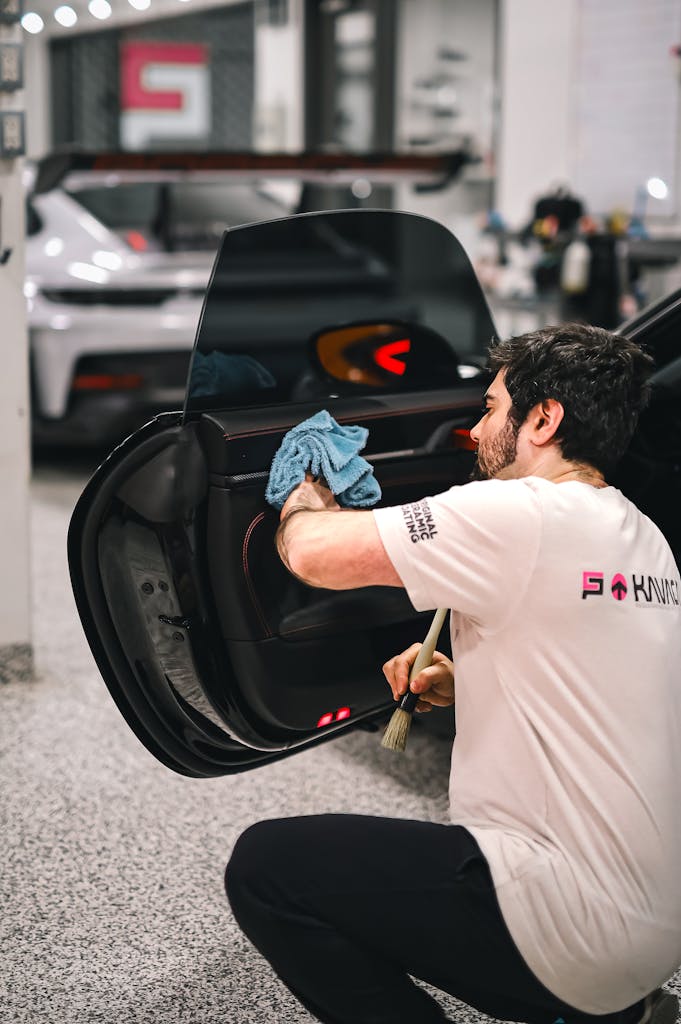
Applying a ceramic coating isn’t as simple as rubbing on wax. The paint must be flawless; even tiny swirl marks get locked under the coating if not removed. Professional detailers perform a multi‑stage paint correction to ensure proper bonding. Application itself requires a controlled climate, precise timing and UV curing. Inexperienced DIYers often end up with streaks or high spots that permanently mar the finish. If you value your vehicle’s appearance, scheduling Mobile Auto Detailing with a trained professional may be a safer bet.

Hidden Drawbacks: Limited Access, Marketing Hype and Maintenance
Top‑tier coatings aren’t available to everyone. Many brands reserve professional formulas for certified installers, which limits choice if you prefer DIY work. Marketing can also be misleading; some brands promise seven or more years of protection, but real‑world results suggest three to five years is more realistic. Coatings don’t eliminate maintenance either. You still need to wash with pH‑neutral shampoos, apply booster sprays and store the vehicle properly to maintain hydrophobic behaviour. Hydrophobic surfaces cause water to bead, but if those beads dry on the paint they leave mineral deposits that can etch. These ongoing chores might surprise those who expect a “set it and forget it” solution.
Why Do Car Manufacturers Not Do Ceramic Coating?
If coatings are so effective, why aren’t they factory‑installed? Manufacturers prioritize cost and efficiency: coating application is time‑consuming and expensive compared with wax or sealant. Assembly lines are designed for speed, and adding a coating step would slow production and raise vehicle prices. There’s also a business consideration: durable coatings may delay new‑car purchases if paint stays pristine for years. For these reasons, manufacturers leave ceramic coatings as an aftermarket option, leaving owners to decide whether to invest.
What Destroys Ceramic Coating?
Coatings are tough but not bulletproof. Environmental contaminants such as bird droppings, tree sap and acidic rain can etch through the layer if left on the surface. Harsh chemicals and abrasive brushes erode the coating and reduce hydrophobic properties. UV radiation slowly breaks down the polymer matrix, especially on cars parked outside year‑round. Neglecting maintenance – like using dish soap instead of a pH‑neutral wash or skipping booster sprays – accelerates wear. Recognizing these threats helps you tailor a maintenance plan, whether through scheduled Company Fleet Detailing or occasional Mobile Auto Detailing services that use safe products.
How Much Does a 5‑Year Ceramic Coating Cost?
Five‑year coatings fall into the flagship tier and typically exceed $1,500. This price includes advanced paint correction, multiple layers, warranty coverage and many hours of labour. Additional costs come from surface decontamination and the time required to apply and cure each layer. For comparison, a single session of Mobile Auto Detailing or Company Fleet Detailing is far cheaper but must be repeated frequently. DIY products exist at lower prices, but they usually last six to twelve months and are more challenging to apply evenly. When budgeting, consider how long you plan to keep the vehicle and the value of extended protection.
Is Ceramic Coating on a Car Worth It?
The value of ceramic coating depends on how you use your vehicle. Coatings provide a hard, glossy shell that resists chemical stains, UV damage and minor scratches while making routine washing easier. They keep vehicles looking newer for longer, which can preserve resale value and reduce the frequency of detailed cleanings. However, they are not scratch‑proof, and if a panel develops damage the entire panel must be recoated. For owners who prefer lower upfront costs, traditional waxes or sealants may offer adequate protection with more frequent reapplication. Before deciding, address the existing condition of your paint: if it has swirl marks or scratches, correct them first. You can find more on that in Can Auto Detailing Remove Scratches?. Then compare quotes and read an unbiased view of ceramic coatings to gauge whether a coating fits your maintenance routine and budget.

About the Author
Kevin Schatz is the president of Speedy K’s Mobile Detailing Systems, a Central Ohio company providing professional on-site detailing for automobiles, boats, RVs, motorcycles, commercial trucks, fleets and aircraft. His experience includes technician training, detailing-product development and the creation of more than a dozen training manuals and educational resources. Kevin shares practical advice drawn from 30+ years in the detailing industry to help vehicle owners properly clean, protect and preserve their investments.